We’re a registered Medicare provider, but not with Medicaid or Dentaquest.
Vaping vs. Smoking: Which is the Bigger Enemy of a White Smile?

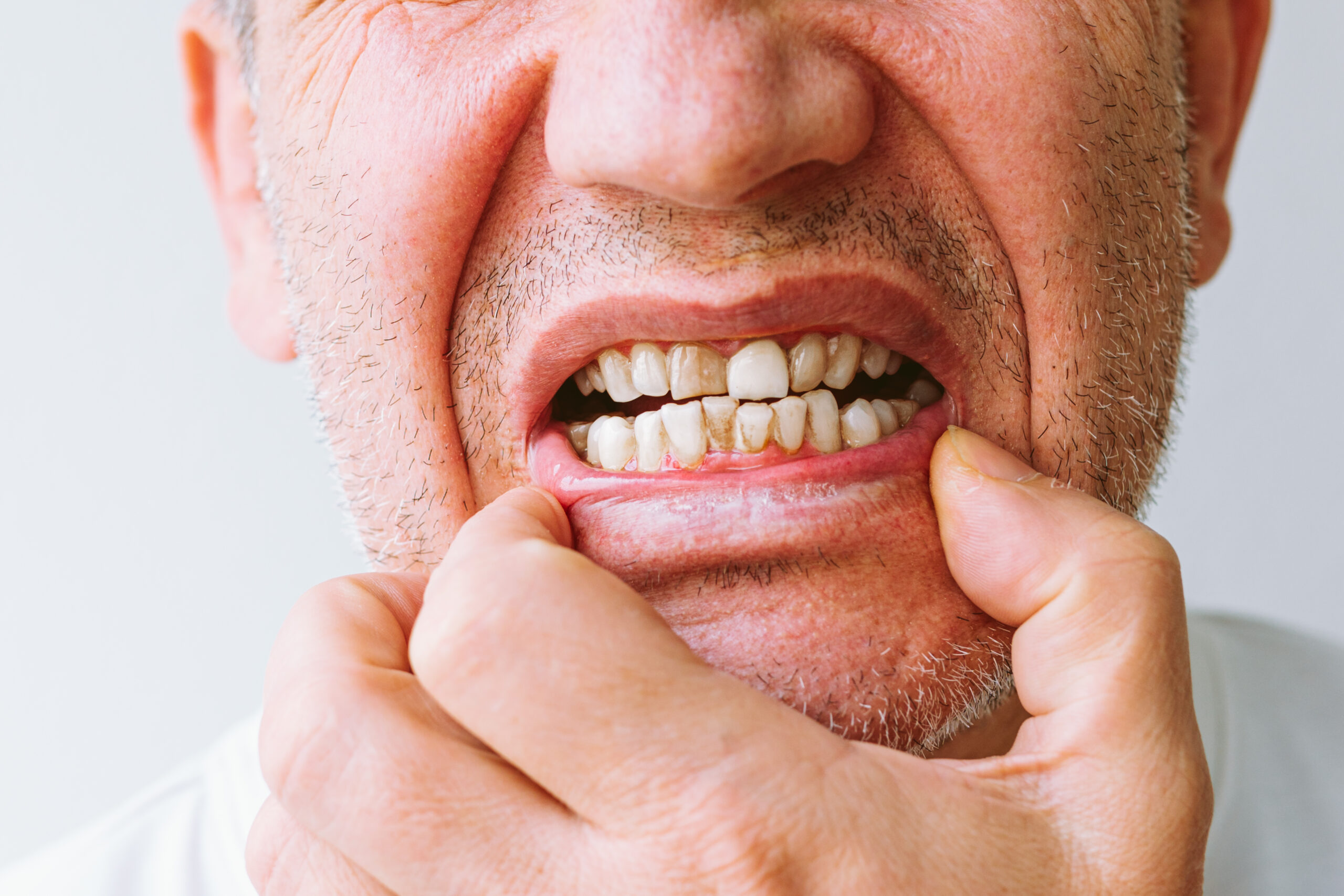
Everyone dreams of a bright, white smile that leaves a lasting impression, and achieving this can boost your confidence like nothing else. However, many people struggle with the reality that both smoking and vaping can stand in the way of a radiant smile. While we know that smoking is often linked to poor oral health, vaping is a relatively new player, raising the question: which one is the bigger enemy to your white smile?
In this blog, we’ll break down the effects of both habits on your teeth and gums, helping you make an informed decision about what’s best for your smile.
The Impact of Smoking on Teeth
When it comes to smoking, the toll on your oral health is significant. The chemicals found in cigarettes can quickly lead to a yellowing of your teeth. The tar and nicotine from tobacco not only stain the surface of your teeth but also create a sticky buildup, contributing to plaque formation.
Over time, plaque can harden into tartar, which can only be removed by a professional cleaning. This makes it even harder to maintain a bright smile if you’re a smoker.
Smoking is also notorious for causing gum disease. The chemicals in cigarettes can weaken your gums, making them more susceptible to infection. This can lead to gingivitis, which, if left untreated, can develop into more severe periodontal disease, often resulting in tooth loss. Another common consequence of smoking is bad breath, which is caused by the toxins and chemicals that linger in the mouth.
One of the most noticeable effects of smoking is the yellowing of teeth. The nicotine in cigarettes is particularly responsible for this discoloration, as it bonds to the enamel of the teeth and slowly turns them a dull yellow or even brown. Many smokers have trouble reversing these stains, as they penetrate the enamel, making over-the-counter whitening products less effective.
How Vaping Affects Your Smile
While vaping is often seen as a safer alternative to smoking, it still has a major impact on your smile. Vaping involves inhaling vaporized liquid, often containing nicotine, flavorings, and other chemicals. While the jury is still out on the long-term effects of vaping on oral health, early studies suggest that it can still lead to tooth discoloration and other dental issues.
According to a professional cosmetic dentist in Lauderdale, the nicotine found in e-cigarettes is the main culprit behind the staining effects of vaping. Just like smoking, nicotine can cause yellowing and dullness in your teeth. Even though vaping may not produce the same tar buildup as smoking, the presence of nicotine still contributes to stains. Additionally, many flavored vape juices can also leave residues that are capable of causing a dull smile.
Another concern with vaping is the potential for dry mouth. The propylene glycol found in most vape juices can reduce saliva production, which is essential for keeping your mouth clean and free of bacteria. Dry mouth can lead to a host of issues, including an increased risk of cavities, gum disease, and bad breath, all of which contribute to an unhealthy smile.
The combination of nicotine and dry mouth can also compromise your gums. Just as with smoking, vaping can lead to gum recession and inflammation, which can affect the overall health of your mouth. This could ultimately result in more severe oral health issues, including tooth loss, if left unchecked.
Key Differences Between Smoking and Vaping in Terms of Oral Health
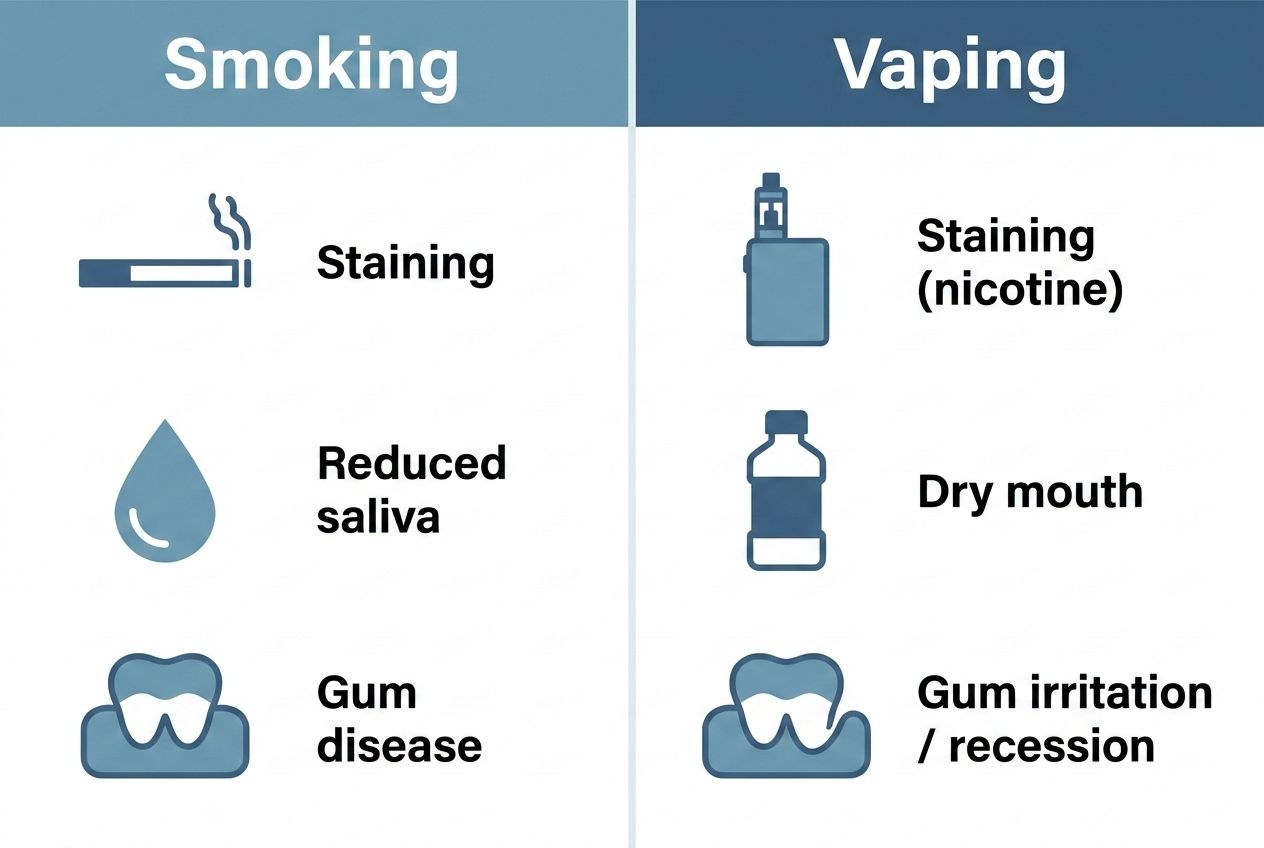
Though both smoking and vaping are harmful to your oral health, there are distinct differences in the ways they affect your smile. Smoking tends to cause more immediate and severe discoloration due to the tar and nicotine content.
On the other hand, vaping primarily contributes to staining through nicotine but is often less harsh due to the absence of tar. However, vaping still poses unique risks.
One of the most significant issues with vaping is the potential for dry mouth. Smoking also reduces saliva production, but vaping tends to have a stronger effect due to the propylene glycol in vape juices.
Saliva is important for maintaining oral hygiene as it helps neutralize acids, wash away food particles, and provide disease-fighting substances. Without adequate saliva, your teeth are more susceptible to decay and gum disease.
Gum health is another area where vaping and smoking differ. Smoking has been widely studied and is known to cause significant damage to gum tissue, often leading to gum disease.
Vaping, on the other hand, is still a newer phenomenon, and while it may not cause the same amount of direct harm to gums as smoking, the long-term effects are still being researched. However, early evidence suggests that vaping can cause irritation and inflammation of the gums, potentially leading to gum recession.
Another key difference is the social aspect. Smoking, due to its odor, often leaves a strong, lingering smell in the mouth, making bad breath a common issue. Vaping, while often perceived as more discreet, can also cause bad breath, particularly if flavored juices are involved, as they may leave residues in your mouth.
Professional Opinion
Dental professionals consistently highlight the negative impact both smoking and vaping have on oral health. While both habits contribute to staining and plaque buildup, smoking is often seen as the more damaging of the two. This is because smoking not only stains teeth but also increases the risk of gum disease and oral cancer. Additionally, smokers are more likely to experience tooth loss due to the long-term effects of tobacco use.
Vaping, while still being studied, appears to be less harmful than smoking in terms of gum disease and oral cancer. However, the reduced saliva production caused by vaping, combined with nicotine’s effect on teeth and gums, can still lead to significant oral health issues. Both smokers and vapers need to be aware of these risks and take steps to protect their smiles.
To maintain a bright, white smile, a qualified cosmetic dentist in Lauderdale recommends quitting smoking or vaping altogether. Regular dental check-ups, professional cleanings, and good oral hygiene habits, including brushing and flossing, are essential to preserving your smile. Professional teeth whitening can also help remove stains caused by both smoking and vaping.
Tips for Maintaining a White Smile
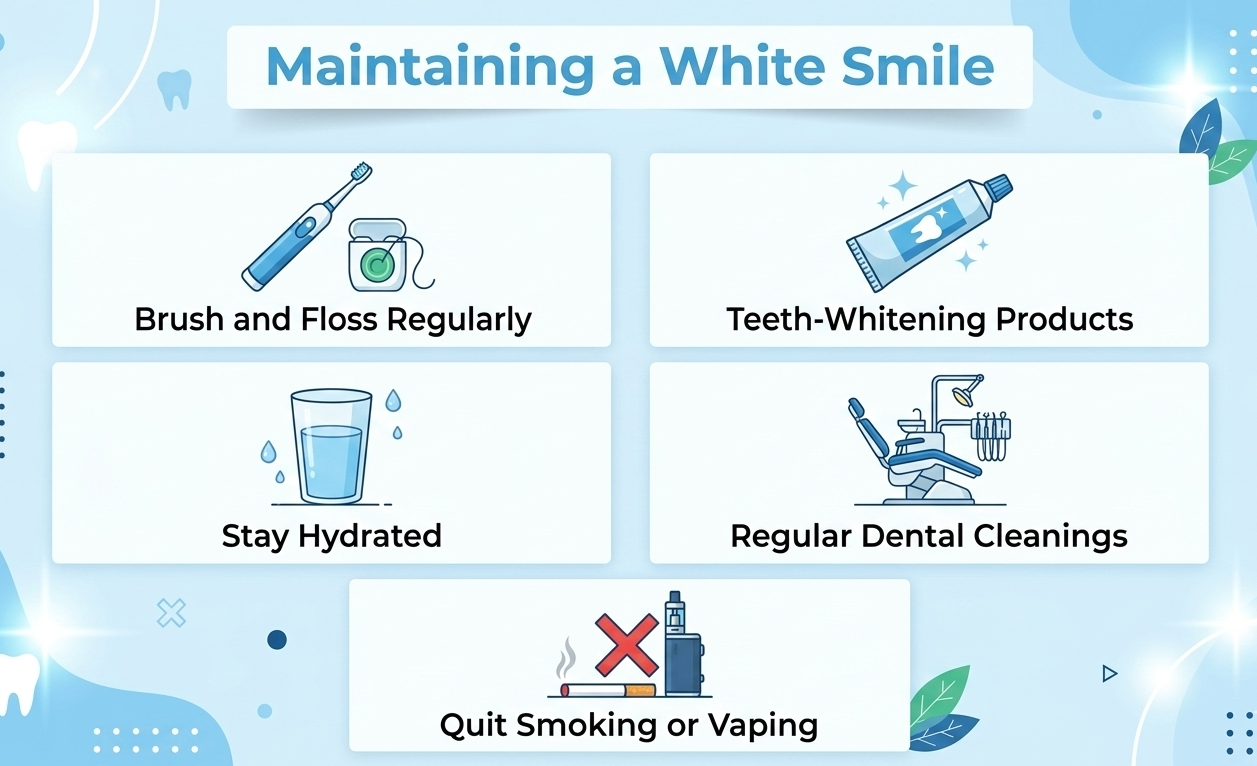
Keeping your smile bright and healthy requires a combination of good oral hygiene habits and lifestyle choices. Here are some tips to help you maintain a white smile:
- Brush and Floss Regularly: Make sure to brush at least twice a day and floss once daily. This will help remove plaque and prevent stains from setting in.
- Use Teeth-Whitening Products: If you’re struggling with stains from smoking or vaping, consider using whitening toothpaste or products specifically designed to combat discoloration.
- Stay Hydrated: Drinking plenty of water helps keep your mouth moist and rinse away food particles, which can contribute to staining and plaque buildup.
- Regular Dental Cleanings: Schedule routine visits to your dentist for professional cleanings, which help remove tartar and keep your smile bright.
- Quit Smoking or Vaping: The best way to protect your smile is to quit smoking or vaping. If you’re struggling to quit, consult with your dentist for guidance and resources.
Both smoking and vaping can take a toll on your smile, but smoking is generally the bigger enemy when it comes to maintaining a white, healthy smile. Smoking causes significant staining, bad breath, gum disease, and a greater risk of tooth loss. While vaping may not be as harmful as smoking in some areas, it still poses risks to oral health, particularly in terms of dry mouth and potential gum irritation.
At Gold Coast Dental Center, we understand the importance of a bright, healthy smile and are here to help. If you’re concerned about the effects of smoking or vaping on your oral health, don’t wait any longer. Schedule an appointment with us today and take the first step toward a healthier, more confident smile.
People Also Ask
1. Is vaping safer than smoking for my teeth?
While vaping may be less harmful than smoking in some ways, it still contributes to dry mouth, gum irritation, and tooth discoloration, which can harm oral health.
2. How can I remove stains caused by smoking or vaping?
Regular brushing, professional teeth whitening treatments, and routine dental cleanings can help remove stains caused by smoking or vaping.
3. Will quitting smoking improve the appearance of my teeth?
Yes, quitting smoking can prevent further staining and improve gum health, potentially leading to a brighter smile over time.
4. Can smoking or vaping lead to tooth loss?
Yes, both smoking and vaping can contribute to gum disease, which, if left untreated, can result in tooth loss.
5. How often should I visit my dentist if I smoke or vape?
It’s recommended to visit your dentist every 3-4 months for a cleaning and check-up to monitor any oral health changes from smoking or vaping.