We’re a registered Medicare provider, but not with Medicaid or Dentaquest.
Dental Cosmetic Procedures: A Guide to a Radiant Smile

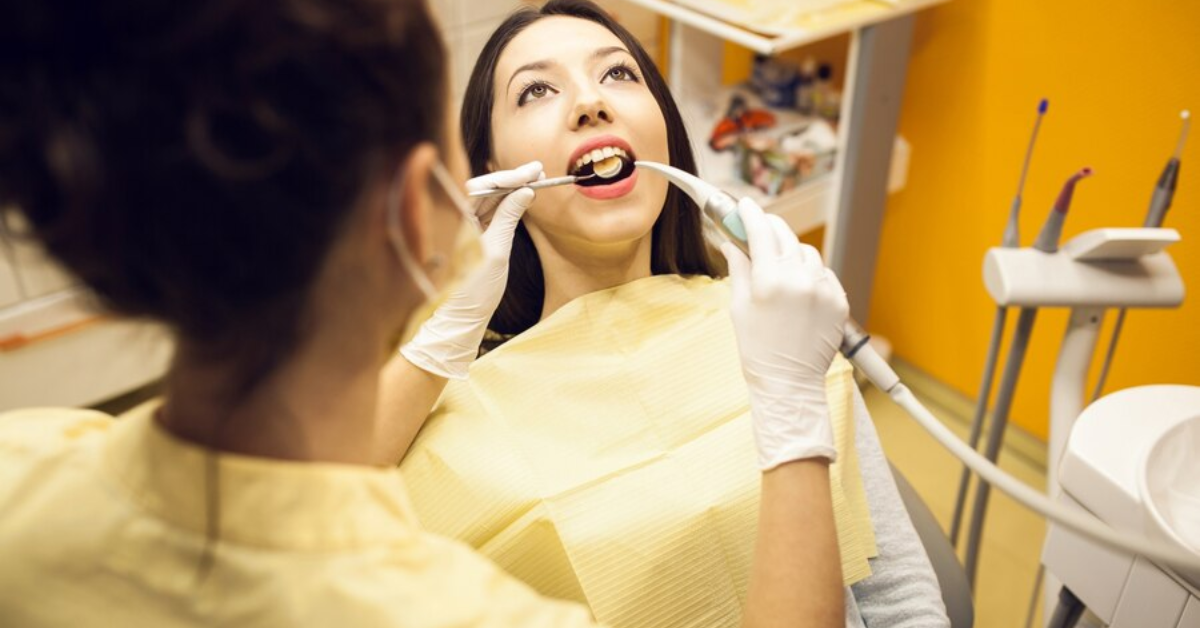
Cosmetic dental procedures are designed to improve the appearance of your teeth and gums. They can help to correct a variety of aesthetic issues, such as discoloration, chips, cracks, gaps, and misalignment. These procedures can boost your confidence and overall self-esteem.
Fort Lauderdale, renowned for its pristine beaches and vibrant atmosphere, is also a hub for cutting-edge dental care. The city boasts a thriving community of skilled cosmetic dentists who specialize in transforming smiles into works of art. If you’re seeking to enhance your appearance and boost your confidence, consider exploring the world of dental cosmetic procedures in Fort Lauderdale.
What is cosmetic dentistry?
Cosmetic dentistry is a branch of dentistry that focuses on improving the appearance of your teeth and gums. It involves
a variety of procedures designed to address aesthetic concerns and create a more beautiful and confident smile.
History of Cosmetic Dentistry
Cosmetic dentistry is not a new concept. The pursuit of a beautiful smile can be traced back to ancient civilizations. For example, the ancient Egyptians used gold wire to stabilize loose teeth and even crafted dental prosthetics from ivory. The Greeks and Romans also experimented with various methods to improve dental appearance, including rudimentary whitening techniques.
Modern cosmetic dentistry began taking shape in the early 20th century with the development of new materials and techniques. The introduction of dental porcelain and composite resins in the mid-1900s paved the way for more refined cosmetic procedures. The 1980s and 1990s saw a significant surge in cosmetic dental innovations, with procedures like teeth whitening and veneers becoming widely accessible.
Popular Cosmetic Dental Procedures in Fort LauderdaleThe “best” cosmetic procedure for teeth depends on your specific needs and goals. Here are some of the most popular options, along with their benefits and potential drawbacks:
Teeth Whitening
Teeth whitening is one of the most popular and sought-after cosmetic dental procedures. Over time, teeth can become stained or discolored due to factors such as aging, smoking, or consuming certain foods and beverages. Teeth whitening aims to restore the natural brightness of teeth or achieve a lighter shade.
- In-Office Whitening: Performed by a dentist, this method uses stronger bleaching agents and often incorporates light or laser technology to enhance the whitening effect. Results are typically achieved in one or two sessions.
- At-Home Whitening: Dentists provide custom-made trays and whitening gel for patients to use at home. This method is generally less potent than in-office treatments but can be effective over a longer period.
Dental Veneers
Chips and Cracks: Veneers can mask minor damage and restore a smooth appearance.
- Discoloration: They can cover deeply stained or discolored teeth that do not respond well to whitening treatments.
- Gaps: Veneers can close small gaps between teeth, offering a more uniform smile.
- Misalignment: They can create the illusion of straight teeth without the need for orthodontic treatment.
- Dental veneers are thin, custom-made shells of porcelain or composite resin that cover the front surface of teeth. They are designed to correct a variety of cosmetic issues, including:
- The process involves preparing the tooth by removing a thin layer of enamel, taking impressions, and then bonding the veneers to the teeth.
Bonding
Dental bonding involves applying a tooth-colored resin to repair imperfections such as chips, cracks, or gaps. The resin is sculpted to match the natural contours of the tooth and then hardened with a special light. Bonding is a versatile and cost-effective option for minor cosmetic issues.
Crowns
Dental crowns, also known as caps, are used to restore the shape, size, and strength of a damaged tooth. Crowns can be made from various materials, including porcelain, ceramic, and metal. They are often used in cases where:
- A Tooth is Severely Decayed: Crowns provide structural support to weakened teeth.
- A Tooth has Undergone Root Canal Therapy: Crowns protect and restore the function of the treated tooth.
- A Tooth is Fractured or Broken: Crowns can reinforce and protect the damaged tooth.
- The process involves shaping the tooth, taking impressions, and placing a temporary crown until the permanent one is ready.
Invisalign and Clear Braces
Invisalign and clear braces offer an aesthetic alternative to traditional metal braces for teeth straightening. These treatments use clear aligners or ceramic brackets that are less noticeable than metal options.
- Invisalign: This method uses a series of clear, removable aligners that gradually move teeth into the desired position. Aligners are replaced every few weeks, and treatment time varies depending on the complexity of the case.
- Clear Braces: These braces use clear or tooth-colored brackets and wires to achieve similar results to traditional braces while being less visible.
Gum Contouring
Gum contouring, or gingival contouring, reshapes the gum line to improve the overall balance of the smile. This procedure is beneficial for:
- Excess Gum Tissue: Removing excess gum tissue can create a more even and aesthetically pleasing gum line.
- Gum Recession: Grafting or reshaping techniques can address gum recession and enhance the appearance of the smile.
- Gum contouring can be performed using laser technology or traditional surgical methods.
Smile Makeovers
A smile makeover is a comprehensive approach that combines multiple cosmetic procedures to achieve a complete transformation of the smile. It typically involves:
- Assessing Patient Goals: Understanding the patient’s aesthetic goals and concerns.
- Planning Treatment: Creating a personalized treatment plan that may include teeth whitening, veneers, bonding, and other procedures.
- Implementing the Plan: Carrying out the planned procedures to enhance the overall appearance of the smile.
It’s important to consult with a qualified cosmetic dentist to discuss your options and determine the best procedure for your individual needs. They can assess your oral health, evaluate your goals, and recommend the most suitable treatment plan.
Benefits of Cosmetic Dental ProceduresCosmetic dentistry offers numerous benefits beyond just aesthetic improvements:
- Improved Appearance: Cosmetic dental procedures can significantly enhance your appearance and boost your self-esteem.
- Increased Confidence: A beautiful smile can make you feel more confident in both personal and professional settings.
- Improved Oral Health: Some cosmetic procedures, such as dental implants, can also improve your oral health by replacing missing teeth and preventing further bone loss.
- Long-Lasting Results: Many cosmetic dental procedures offer long-lasting results, providing you with a lasting investment in your appearance.
- Enhanced Self-Confidence: A beautiful smile can significantly boost self-esteem and confidence, positively affecting personal and professional interactions.
- Increased Functionality: Procedures like crowns and orthodontics can improve the functionality of teeth, making eating and speaking more comfortable.
- Customized Solutions: Cosmetic dentistry allows for highly personalized treatments that cater to individual needs and preferences.
Learn more about Cosment Dental Procedures in Fort Lauderdale
General Dentistry vs. Cosmetic Dentistry: A ComparisonGeneral dentistry and cosmetic dentistry are both branches of dentistry that focus on oral health, but they differ in their primary goals.
General DentistryGeneral dentistry is concerned with maintaining overall oral health and preventing dental diseases. This includes:
- Routine check-ups and cleanings: Regular exams to detect and prevent dental problems.
- Fillings: Treating cavities by removing decayed material and filling the cavity.
- Root canals: Treating infected tooth pulp.
- Extractions: Removing damaged or non-restorable teeth.
- Dentures and partials: Replacing missing teeth with removable appliances.
Cosmetic DentistryCosmetic dentistry focuses on enhancing the appearance of your teeth and smile. This includes:
- Teeth whitening: Brightening discolored teeth.
- Dental veneers: Thin, custom-made shells that cover the front surfaces of teeth to improve their appearance.
- Dental implants: Replacing missing teeth with artificial tooth roots and crowns.
- Orthodontic treatment: Straightening teeth with braces or Invisalign.
- Gum reshaping: Altering the shape of the gums to improve the appearance of the smile.
In summary, while both general and cosmetic dentistry contribute to oral health, general dentistry prioritizes prevention and treatment of dental diseases, while cosmetic dentistry focuses on improving the aesthetics of the teeth and smile. It’s important to note that many dentists offer both general and cosmetic services.
Potential Risks and ComplicationsWhile cosmetic dental procedures are generally safe, there are potential risks and complications associated with any dental procedure. These may include:
- Sensitivity: Teeth may become sensitive after certain procedures, such as teeth whitening or veneer placement.
- Infection: There is a risk of infection with any surgical procedure, such as dental implant placement or gum reshaping.
- Gum Recession: Gum reshaping procedures can sometimes lead to gum recession, which can expose the roots of your teeth.
It’s important to discuss the potential risks and benefits of any cosmetic dental procedure with your dentist before making a decision.
Choosing the Right Cosmetic Dentist in Fort LauderdaleFort Lauderdale, with its vibrant atmosphere and beautiful beaches, is also a hub for exceptional dental care. When considering cosmetic dentistry in this area, selecting the right dentist is crucial for achieving the desired results. Here are some key factors to consider:
1. Experience and Expertise
- Specialization: Look for a dentist who specializes in cosmetic dentistry. They have the in-depth knowledge and experience to deliver high-quality results.
- Track Record: Research the dentist’s reputation and success rate in performing the specific cosmetic procedures you’re interested in.
2. Credentials and Certifications
- Board Certification: Ensure the dentist is board-certified in cosmetic dentistry. This indicates a high level of training and expertise.
- Continuing Education: A dentist who actively participates in continuing education courses demonstrates their commitment to staying updated with the latest techniques and technologies.
3. Technology and Facilities
- Modern Equipment: A modern dental practice equipped with advanced technology can offer more precise and efficient procedures.
- Sterile Environment: A clean and sterile environment is essential for maintaining a safe and comfortable experience.
4. Patient Reviews
- Online Reputation: Read reviews from previous patients to get a sense of their experiences and the dentist’s overall satisfaction ratings.
- Word of Mouth: Ask friends, family, or colleagues for recommendations.
5. Consultation
- Initial Meeting: Schedule a consultation to discuss your goals and expectations. A qualified dentist will listen attentively and provide personalized recommendations.
- Treatment Plan: Ask for a detailed treatment plan, including the estimated cost and timeline.
6. Financing Options
- Payment Plans: Inquire about financing options, such as payment plans or credit card acceptance.
7. Comfort and Communication
- Bedside Manner: A dentist who is friendly, approachable, and puts you at ease can make the experience more enjoyable.
- Clear Communication: Ensure the dentist explains procedures and answers your questions clearly and comprehensively.
By carefully considering these factors, you can find a cosmetic dentist in Fort Lauderdale who will provide you with the highest quality care and help you achieve your desired smile.
Future of Cosmetic DentistryThe field of cosmetic dentistry continues to advance with technological innovations and new techniques. Some promising developments include:
- Digital Smile Design: Digital technology allows for more precise planning and visualization of cosmetic procedures, enhancing outcomes and patient satisfaction.
- 3D Printing: 3D printing technology is being used to create custom dental prosthetics, including crowns, veneers, and aligners, with increased accuracy and efficiency.
- Minimally Invasive Techniques: Advances in minimally invasive procedures, such as laser dentistry, reduce discomfort and recovery time while achieving excellent cosmetic results.
- Regenerative Dentistry: Research into regenerative techniques, such as stem cell therapy, holds the potential for new treatments that can restore damaged or missing teeth.
- Personalized Treatment: Advances in genetic research and data analysis may lead to more personalized and effective cosmetic treatments tailored to individual genetic profiles.
Cost Considerations for Dental Cosmetic Procedures The desire for a beautiful smile is universal, and dental cosmetic procedures offer a variety of options to enhance your appearance. However, the cost of these procedures can vary significantly, making it essential to understand the factors that influence pricing and explore potential financing options.
Factors Affecting the Cost of Dental Cosmetic Procedures
- Procedure Type: The specific procedure you choose will directly impact the cost. More complex procedures, such as dental implants or full-mouth reconstructions, generally require more time and materials, leading to higher costs.
- Dentist’s Experience and Expertise: Dentists with advanced training and specialization in cosmetic dentistry may charge higher fees due to their expertise and experience.
- Location: Geographical location can influence costs. Dental practices in urban areas or high-cost-of-living regions may have higher overhead expenses, which can be reflected in their pricing.
- Materials and Technology: The quality of materials used and the technology employed can also affect the cost. For example, porcelain veneers may be more expensive than composite veneers.
- Number of Teeth Treated: The number of teeth requiring treatment will influence the overall cost. A single dental implant will be less expensive than a full-mouth restoration.
- Additional Procedures: If other dental work, such as fillings or extractions, is required in conjunction with the cosmetic procedure, the total cost will increase.
Financing Options for Dental Cosmetic Procedures
- Payment Plans: Many dental practices offer in-house financing plans that allow you to spread out the cost of treatment over time.
- Credit Cards: If you have good credit, you may be able to use a credit card to finance your dental procedures.
- Dental Insurance: While most dental insurance plans primarily cover preventive and restorative care, some may offer limited coverage for cosmetic procedures. Check with your insurance provider for details.
- Third-Party Financing Companies: Companies like CareCredit and LendingClub offer specialized financing options for healthcare expenses, including dental procedures.
How long does it take to recover?Recovery time for cosmetic dental procedures can vary greatly depending on the specific procedure. Some procedures involve minimal discomfort and downtime, while others may require more extensive healing periods. Here’s a general breakdown:
Minimal Downtime:
- Teeth whitening: Typically no downtime.
- Dental veneers: Minimal discomfort for a few days.
- Dental bonding: Minimal discomfort for a few days.
Moderate Downtime:
- Gum reshaping: Swelling and discomfort for a few days, full healing may take a couple of weeks.
- Dental crowns and bridges: Some discomfort and sensitivity for a few days.
Significant Downtime:
- Dental implants: Healing time can take several months, as the implant must integrate with the jawbone.
- Orthodontic treatment (braces or Invisalign): While there’s no surgery involved, the overall treatment time can be several months to years.
- Smile makeovers: The recovery time depends on the specific procedures included, but can be significant for complex cases.
It’s important to consult with your dentist for a more accurate estimate of recovery time based on your specific procedure and individual circumstances. Your dentist can also provide you with post-procedure care instructions to help minimize discomfort and promote healing.
Conclusion
Fort Lauderdale offers a wealth of opportunities for individuals seeking to enhance their smiles through cosmetic dentistry. By carefully considering your options and choosing a qualified dentist, you can achieve a radiant and confident smile that will boost your self-esteem and overall well-being. Here are some of the key takeaways:
- Fort Lauderdale boasts a thriving community of skilled cosmetic dentists.
- Popular cosmetic procedures include teeth whitening, veneers, dental implants, orthodontics, gum reshaping, and smile makeovers.
- When choosing a dentist, consider factors such as experience, credentials, technology, patient reviews, and consultation.
- The cost of cosmetic procedures can vary depending on factors such as the procedure, dentist’s fees, and materials used.
- Financing options are available to help patients afford cosmetic treatments.
By investing in cosmetic dentistry, you can transform your smile and enjoy the many benefits it offers.