We’re a registered Medicare provider, but not with Medicaid or Dentaquest.
Is Teeth Cleaning Painful?

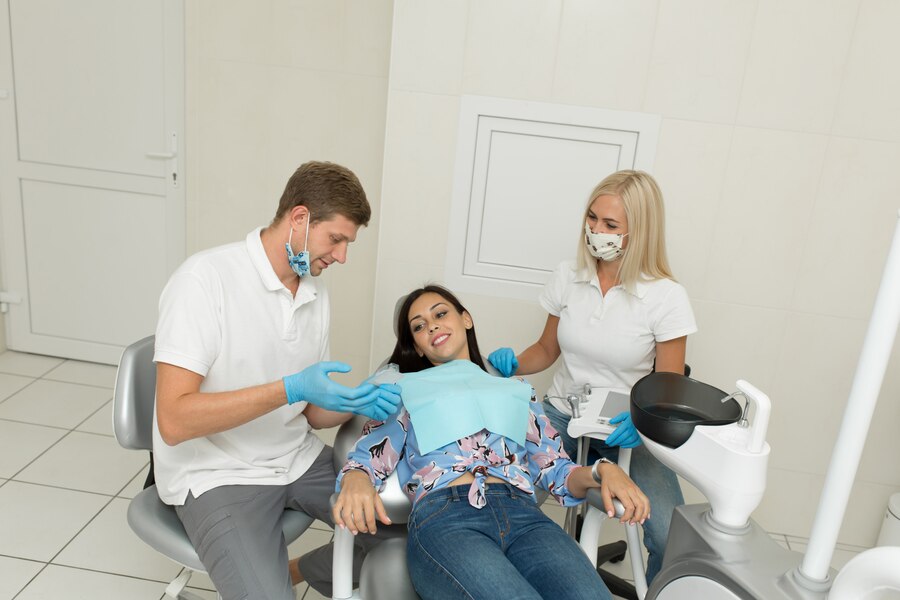
Maintaining good oral hygiene is a vital part of your overall health, and regular teeth cleanings play a critical role in keeping your teeth and gums healthy. Yet, one of the most common concerns people have before visiting the dentist is whether teeth cleaning is painful. Whether you are considering teeth cleaning services in Fort Lauderdale or just want to learn more about the process, this article will explore every aspect of professional teeth cleaning and address any fears or concerns you may have.
We’ll discuss what happens during a typical dental cleaning, why it’s necessary, what can make the procedure uncomfortable, and how you can minimize any discomfort. Let’s explore this essential part of oral care, debunk some myths, and help you feel more at ease before your next visit to the dentist.
What Happens During a Teeth Cleaning?
A teeth cleaning session at a dental clinic typically involves several key steps designed to remove plaque, tartar, and bacteria that regular brushing and flossing can’t eliminate. Here’s a breakdown of what to expect during your dental cleaning appointment:
- Examination of the Mouth:
Before the actual cleaning begins, the dentist or dental hygienist will perform a thorough examination of your mouth. Using a small mirror, they’ll check your teeth and gums for signs of gum disease, cavities, or other potential problems. If anything unusual is spotted, the dentist may choose to address those issues before starting the cleaning process. - Plaque and Tartar Removal:
The hygienist uses a tool called a scaler to remove plaque and tartar from the surface of your teeth and around the gumline. This step can cause some discomfort, especially if you have a lot of tartar buildup. However, it’s generally not painful. Tartar is a hardened form of plaque that can’t be removed by brushing alone, which is why regular cleanings are so important. - Gritty Toothpaste Cleaning:
After the tartar has been removed, the hygienist will use a high-powered electric toothbrush and a gritty toothpaste to scrub your teeth. This part of the process is designed to polish your teeth and remove any leftover plaque. - Flossing:
Even if you’re an avid flosser at home, professional flossing is a crucial part of teeth cleaning. The hygienist will get deep between your teeth and remove any debris missed by brushing. - Rinsing:
You’ll then rinse your mouth to wash away any debris or cleaning agents. Usually, a fluoride solution is used for rinsing.
Fluoride Treatment (Optional):
The final step may involve a fluoride treatment, which helps protect your teeth from cavities for several months. The fluoride is applied in a gel or foam form and placed into a mouthpiece that fits over your teeth for a minute or two.
Why Teeth Cleaning Is Necessary?
The importance of regular teeth cleaning cannot be overstated. It’s not just about maintaining a sparkling smile; teeth cleanings are essential for your overall health. Here’s why:
- Prevention of Gum Disease:
Gum disease (periodontal disease) is caused by the buildup of plaque and tartar. Left untreated, gum disease can lead to tooth loss and has even been linked to serious health issues such as heart disease and diabetes. Teeth cleaning helps prevent this by removing the harmful buildup. - Cavity Prevention:
Plaque is the main cause of tooth decay, and regular cleanings help prevent cavities from forming by eliminating plaque before it has a chance to cause damage. - Fresher Breath:
Persistent bad breath (halitosis) is often caused by poor oral hygiene and the buildup of bacteria in the mouth. Regular cleanings can help eliminate the bacteria that cause bad breath, leaving your mouth feeling fresh. - Whiter Teeth:
Professional cleanings can also remove stains caused by coffee, tea, wine, or tobacco, leaving your teeth looking whiter and brighter.
Does Teeth Cleaning Hurt?
For most people, teeth cleaning is not painful, but the experience can vary based on several factors. Some people may feel mild discomfort, while others might be more sensitive. Here are a few factors that can influence how you feel during the cleaning process:
- Sensitivity Levels:
If you have sensitive teeth or gums, you may feel some discomfort during the cleaning, especially when the hygienist is removing tartar from the gumline. Sensitivity can also increase if your teeth are exposed due to gum recession. - Tartar Buildup:
The more tartar you have, the more work the hygienist will need to do with the scaler, which can cause slight discomfort. Regular cleanings every six months help minimize tartar buildup, making the process less uncomfortable over time. - Gum Disease:
If you have gum disease or inflamed gums, the cleaning process might be more uncomfortable. Inflamed gums tend to be more sensitive, and removing plaque from the gumline can irritate them further. - Dental Anxiety:
Sometimes, the fear of pain can make the experience more stressful. People who are anxious about visiting the dentist may feel heightened sensitivity or discomfort simply because they are nervous.
How to Minimize Discomfort During Teeth Cleaning?
If you’re worried about discomfort during your teeth cleaning appointment, there are several steps you can take to minimize any pain or unease:
- Communicate with Your Dentist:
One of the best ways to ensure a comfortable experience is to communicate openly with your dentist or hygienist. Let them know if you’re feeling anxious or if you have any areas of sensitivity. They can adjust their approach to make you feel more comfortable. - Regular Dental Visits:
The more frequently you visit the dentist, the easier and quicker your cleanings will be. Plaque and tartar won’t have a chance to build up as much, making the cleaning process smoother. - Topical Anesthetic:
If you have extremely sensitive teeth or gums, ask your dentist about applying a topical anesthetic to numb your gums during the cleaning. This can help make the process more comfortable. - Use Desensitizing Toothpaste:
Before your appointment, try using a desensitizing toothpaste for a few weeks. These toothpastes help reduce sensitivity and can make the cleaning experience more pleasant.
Practice Good Oral Hygiene at Home:
Brushing and flossing regularly improve oral health and make teeth cleaning appointments easier. Less plaque and tartar accumulate on teeth, reducing the discomfort you might feel during professional cleanings.
Is Teeth Cleaning Worth It?
Even if you experience mild discomfort during teeth cleaning, the benefits far outweigh any short-term unease. Regular cleanings help prevent serious dental problems, such as gum disease and tooth decay, that could lead to more significant pain and costly treatments down the road. In fact, regular cleanings are a crucial part of a preventative dental care plan.
Additionally, cleanings help keep your teeth looking and feeling their best. They remove stains that brushing alone can’t tackle, leaving your teeth brighter and your smile more attractive.
If you’re worried about discomfort, rest assured that dental professionals are trained to make the experience as pleasant as possible. Modern dental practices use advanced tools and techniques designed to minimize pain and anxiety. Many people find the process to be more comfortable than they initially expected.
How Long Does a Teeth Cleaning Take?
A typical teeth cleaning session usually takes between 30 minutes and an hour, depending on the condition of your teeth and gums. If you have a lot of plaque and tartar buildup, it may take a bit longer to clean your teeth thoroughly. However, the process is relatively quick, and any discomfort is usually brief.
For those who visit the dentist regularly and take good care of their teeth at home, the cleaning process tends to be shorter and more straightforward.
How to Take Care of Your Teeth After a Cleaning?
Once your teeth cleaning session is complete, it’s important to follow some after-care tips to maintain your oral health and ensure you get the most out of your appointment. Proper after-care will help protect your teeth and gums and prolong the benefits of your cleaning.
1. Avoid Certain Foods and Drinks for a Few HoursImmediately after a professional cleaning, your teeth may be more susceptible to staining, especially if you’ve undergone a fluoride treatment. It’s a good idea to avoid foods and drinks that can stain your teeth for the first few hours after your cleaning. These include:
- Coffee and tea
- Red wine
- Dark sodas
- Berries and acidic fruits
- Tomato-based sauces
Instead, opt for lighter-colored, non-acidic foods and drinks until your teeth have had time to settle.
2. Stay Hydrated: After your cleaning, your mouth may feel a little dry, especially if you received fluoride treatment. Drinking water helps wash away any remaining debris or fluoride and keeps your mouth hydrated. It’s also a great way to neutralize acids and wash away bacteria that can form in your mouth.
3. Be Gentle When Brushing and Flossing: Your gums may feel slightly tender after a thorough cleaning, especially if you had tartar removed from below the gumline. It’s important to continue brushing and flossing, but do so gently to avoid irritating your gums. Use a soft-bristled toothbrush and take your time, especially when flossing around the gumline.
4. Use a Desensitizing Toothpaste: If you experience mild sensitivity after your cleaning, switching to a desensitizing toothpaste for a few days can help. These toothpastes contain ingredients that block pain signals from the nerves in your teeth, reducing sensitivity.
5. Schedule Your Next Appointment: The best way to keep your teeth and gums healthy is to stay consistent with your dental cleanings. Most dentists recommend getting a professional cleaning every six months. After your appointment, make sure to schedule your next one to keep up with your oral health routine.
The Link Between Oral Health and Overall Well-being
Maintaining good oral health is about more than just having a bright smile. It can have a profound impact on your overall health and well-being. Research has shown that poor oral health can contribute to several serious health conditions, which makes regular teeth cleanings even more essential.
1. Heart Health: One of the most well-documented connections between oral health and overall health is the link between gum disease and heart disease. Studies have shown that people with gum disease are at a higher risk of developing cardiovascular issues, including heart attacks and strokes.
The inflammation caused by gum disease can contribute to the narrowing of arteries, which can increase the risk of heart problems. Regular teeth cleanings can help reduce the risk of gum disease and, by extension, may also lower your risk of heart disease.
2. Diabetes: Diabetes and gum disease share a bidirectional relationship. People with diabetes are more likely to develop gum disease, and gum disease can make it more difficult for people with diabetes to control their blood sugar levels. Regular teeth cleanings can help prevent gum disease and improve blood sugar control in people with diabetes.
3. Respiratory Health: There is also evidence that poor oral hygiene can contribute to respiratory infections, including pneumonia. This is because bacteria from the mouth can be inhaled into the lungs, where it can cause infection. By maintaining good oral hygiene and getting regular teeth cleanings, you can reduce the amount of harmful bacteria in your mouth and lower your risk of respiratory infections.
4. Pregnancy Complications: Pregnant women with gum disease are at a higher risk of experiencing complications such as preterm birth or low birth weight. Hormonal changes during pregnancy can make women more susceptible to gum disease, which is why it’s especially important for pregnant women to keep up with their dental care, including professional cleanings.
5. Cognitive Health: Emerging research suggests a possible link between poor oral health and cognitive decline, including Alzheimer’s disease. While the exact connection isn’t fully understood, it’s believed that the inflammation caused by gum disease may contribute to brain inflammation, which is associated with cognitive decline. Regular teeth cleanings can help minimize gum inflammation, which may in turn protect cognitive health as we age.
How Often Should You Get Your Teeth Cleaned?
Most dentists recommend professional teeth cleanings every six months, but this can vary depending on your individual needs. Some people may need more frequent cleanings, especially if they have gum disease or are at a higher risk of developing oral health issues.
Here are some factors that may affect how often you should get your teeth cleaned:
- Gum Disease:
If you have or are at risk of developing gum disease, your dentist may recommend more frequent cleanings, such as every three to four months. These cleanings, often called “deep cleanings” or scaling and root planing, help manage gum disease and prevent it from worsening. - Orthodontic Appliances:
If you have braces, clear aligners, or other orthodontic appliances, you may need more frequent cleanings to prevent plaque buildup around the hardware. - Smoking:
Smoking increases your risk of gum disease and tooth decay, so smokers may benefit from more frequent cleanings to maintain oral health. - Diabetes:
People with diabetes are more prone to gum disease, so regular cleanings are especially important to prevent complications.
Conclusion
Teeth cleaning is a vital part of maintaining good oral health, and while it may cause some discomfort for certain individuals, it’s generally not painful. The sensation varies depending on your dental condition, sensitivity, and anxiety levels. With regular cleanings and proper communication with your dentist, you can ensure a more comfortable experience. Plus, the long-term benefits of teeth cleaning far outweigh any temporary discomfort.