We’re a registered Medicare provider, but not with Medicaid or Dentaquest.
Sedation Dentistry Explained: The Complete Guide for Anxious Patients


Dental anxiety is a common concern for many individuals, often leading to postponed appointments and neglected oral health. Fortunately, Sedation dentistry offers a solution that ensures a comfortable and stress-free experience during dental procedures. This comprehensive guide will walk you through the benefits, types of sedation, and what to expect during your visit and answer common questions related to sedation dentistry.
Understanding Sedation Dentistry
Sedation dentistry refers to the use of medication to help patients relax during dental procedures. It is particularly beneficial for those with dental phobias, low pain thresholds, or special needs. By calming anxiety and discomfort, sedation dentistry allows patients to receive necessary dental care without the added stress.
The Importance of Addressing Dental Anxiety
Many individuals delay or avoid dental visits due to anxiety. This can lead to more severe dental issues, requiring complex treatments that might have been preventable with timely care. Sedation dentistry addresses these barriers by providing a safe and comfortable environment for patients to receive the dental care they need. It encourages regular dental visits, ensuring that oral health is maintained.
Why Choose Sedation Dentistry?
- Anxiety Reduction: One of the primary reasons individuals opt for sedation dentistry is to manage anxiety. The calming effects of sedative medications can help patients feel more at ease during their appointments.
- Pain Management: Sedation can also help minimize pain perception. Patients often report feeling little to no discomfort during procedures due to the numbing effects of sedatives combined with local anesthesia.
- Memory Loss: Many sedative techniques lead to partial or complete amnesia regarding the procedure, meaning patients may not remember the experience, making it less traumatic.
- Improved Efficiency: Sedation allows dentists to perform multiple procedures in one visit, reducing the number of appointments needed and improving overall treatment efficiency.
- Special Needs Care: Patients with special needs, including children and individuals with cognitive impairments, may benefit significantly from sedation dentistry. It provides a controlled environment where dental work can be performed with minimal distress.
Types of Sedation Used in Sedation Dentistry
Fort Lauderdale sedation dentistry utilizes various types of sedation, tailored to meet the needs and preferences of each patient:
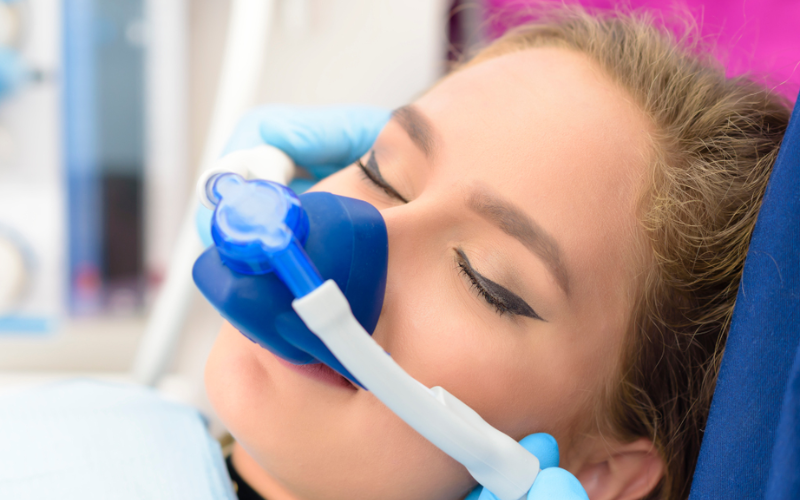
- Nitrous Oxide (Laughing Gas): This is the most common form of sedation used in dentistry. It is inhaled through a mask and produces a light, calming effect. Patients remain awake and can communicate but feel relaxed. The effects wear off quickly, allowing patients to drive themselves home after their appointment.
- Oral Sedation: This involves taking a prescribed sedative medication before the appointment. Patients typically take the medication an hour before their procedure, resulting in a drowsy state. While they remain awake, many patients experience a sense of calmness and may not remember much of the procedure.
- IV Sedation: This type of sedation is administered directly into the bloodstream through an IV, providing a deeper level of sedation. Patients often enter a state of twilight sleep, where they are semi-conscious and may not remember the procedure afterward. IV sedation is usually reserved for more extensive dental work.
- General Anesthesia: In some cases, general anesthesia may be used, especially for complex procedures or patients with severe anxiety. This method induces a complete unconscious state and is typically administered in a hospital or surgical center.
The Process of Sedation Dentistry
Understanding the steps involved in the sedation process can help alleviate any remaining concerns you may have. Here’s what to expect during your visit to a sedation dentist in Fort Lauderdale.
Step 1: Initial Consultation: Before undergoing sedation dentistry, you will have an initial consultation with your dentist. During this visit, your dentist will evaluate your dental and medical history, discuss your anxiety levels, and determine which sedation option is best suited for you. It’s essential to communicate any previous experiences with dental anxiety and any medications you may be taking.
Step 2: Pre-Sedation Instructions: Once a sedation method is chosen, your dentist will provide you with specific instructions to prepare for your appointment. This may include dietary restrictions, such as avoiding food or drink for several hours before the procedure, especially if you are undergoing IV sedation or general anesthesia.
Step 3: Arrival at the Dental Office: On the day of your appointment, arrive at the dental office with a trusted companion, especially if you are undergoing deeper sedation. They can help you get home safely after the procedure.
Step 4: Administration of Sedation: Once you are in the dental chair, your dentist will administer the sedation according to the chosen method. For nitrous oxide, a mask will be placed over your nose. For oral sedation, you will take the prescribed medication. In the case of IV sedation, an IV line will be inserted, and the sedative will be administered.
Step 5: The Dental Procedure: While you are sedated, your dentist will perform the necessary dental work. Depending on the level of sedation, you may feel relaxed and comfortable or be in a deeper state of unconsciousness. Your dentist will monitor your vital signs throughout the procedure to ensure your safety.
Step 6: Post-Procedure Recovery: After your procedure, you will be moved to a recovery area where you will be monitored until the effects of the sedation wear off. For nitrous oxide, you will feel alert relatively quickly, but for oral and IV sedation, you may need additional time to recover. Your dentist will provide aftercare instructions and discuss any necessary follow-up appointments.
Post-Procedure Care and Considerations
After sedation, it is essential to follow your dentist’s aftercare instructions to ensure a smooth recovery. Here are some common guidelines:
- Rest: Take it easy for the remainder of the day. Sedation can leave you feeling tired, so allow yourself to rest.
- Hydration and Nutrition: Stay hydrated, but avoid heavy meals until you feel back to normal. Light snacks are often recommended once you feel ready.
- Pain Management: If you experience any discomfort after the procedure, follow your dentist’s recommendations for pain management. Over-the-counter pain relievers are typically suggested.
- Avoid Driving: If you were administered oral or IV sedation, you should not drive for at least 24 hours. Arrange for someone to take you home.
- Follow-Up: Attend any scheduled follow-up appointments to ensure your recovery is on track and to address any concerns.
Frequently Asked Questions:
Is sedation dentistry safe?
Yes, sedation dentistry is generally safe for most patients. Your dentist will assess your medical history and overall health to determine if you are a good candidate for sedation. It’s essential to follow all pre-sedation instructions for optimal safety.
How long does the sedation last?
The duration of sedation depends on the method used. Nitrous oxide wears off quickly, while oral and IV sedation may take longer to fully dissipate. Your dentist will provide specific information about what to expect.
Can I drive after my appointment?
If you have undergone nitrous oxide sedation, you may be able to drive yourself home. However, if you received oral or IV sedation, it is recommended to arrange for a ride, as the sedative effects can linger.
What if I have a medical condition?
Inform your dentist about any medical conditions, medications, or allergies during your consultation. They will take these factors into account when planning your sedation dentistry experience.
Is sedation dentistry only for anxious patients?
While sedation dentistry is highly beneficial for patients with anxiety, it can also be used for individuals who require extensive dental work, have difficulty sitting still, or have a low pain threshold.
Will sedation dentistry make me unconscious?
Not necessarily. Most sedation methods allow patients to remain awake and responsive while feeling relaxed. However, with IV sedation and general anesthesia, patients may be in a deeper state of unconsciousness.
The Future of Sedation Dentistry
Sedation dentistry is evolving with advancements in dental technology and techniques. New research continues to explore how sedation can be optimized for patient comfort and safety. As more people recognize the benefits of sedation, dental practices are likely to expand their offerings and improve the patient experience.
The Role of Technology in Sedation Dentistry
Innovations in dental technology are significantly enhancing the sedation experience. Digital monitoring systems now allow dentists to more efficiently monitor patients’ vital signs during procedures. This added layer of safety helps ensure that patients remain stable and comfortable throughout their treatments.
Additionally, developing more precise sedation medications means dentists can customize dosages more effectively, tailoring sedation levels to individual patient needs. This level of personalization not only enhances comfort but also improves safety and effectiveness.
Conclusion
Fort Lauderdale sedation dentistry provides a compassionate approach to dental care, making it easier for individuals with dental anxiety to receive necessary treatments. By utilizing various sedation methods tailored to each patient’s needs, dental professionals ensure a comfortable and efficient experience.
If you’re considering sedation dentistry, look no further than Gold Coast Dental Centre. Our team is dedicated to providing exceptional care in a stress-free environment, helping you achieve optimal oral health without anxiety. Contact us today to schedule your consultation and take the first step towards a more comfortable dental experience!