We’re a registered Medicare provider, but not with Medicaid or Dentaquest.
Signs That Your Dental Implant Needs To Be Replaced

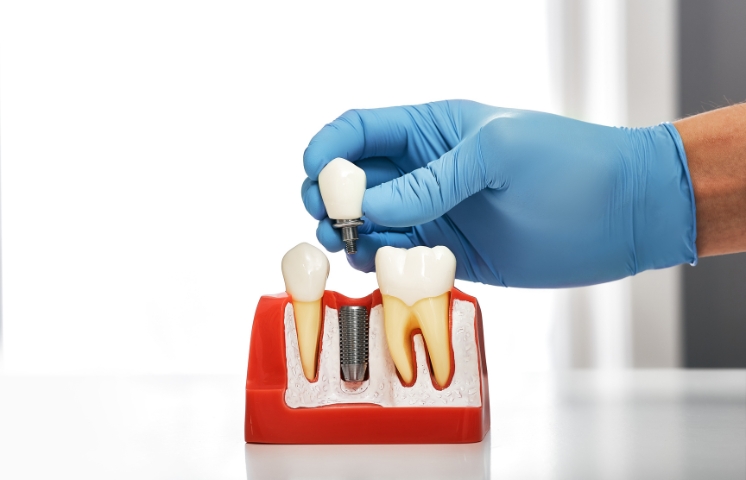
Nothing can beat the confidence of a perfect smile after getting a dental implant. Eating, speaking, and smiling feel natural again, like having your real teeth back.
Dental implants can be a lasting fixture for decades if you provide good maintenance. Nevertheless, being vigilant for minor changes can guard your investment.
You must identify early indicators of trouble, which results in simpler fixes and less difficulty. An adept implant dentist can maintain your smile healthy and strong for a lifetime.
Common Signs Your Dental Implant Might Need Replacement
a. Ongoing Pain or Discomfort
Mild post-surgical pain is expected. However, stabbing or persistent pain isn’t. If the pain worsens or radiates, see your implant dentist Fort Lauderdale immediately. Throbbing, burning, or aching around the implant might be indicators of serious problems.
b. Gum Inflammation or Recession
Swollen, red, or bleeding gums around the dental implant are signs of trouble. These symptoms could indicate peri-implantitis, which is an infection that destroys gum tissue. Receding gums also uncover the implant and make failure more likely.
c. Wobbling or Shifting of the Implant
Dental implants should not move. If you feel movement is serious trouble. Wobbling generally signifies bone loss or implant instability. You must see your implant dentist at once if you sense shifting.
d. Difficulty Biting or Chewing
Biting and chewing ought to be comfortable with an implant. If you feel pain or pressure while eating, something’s amiss. Misalignment or implant damage may be the culprit.
e. Visible Wear, Damage, or Implant Fracture
Breaks or chips on the implant crown are open-and-shut signs. Hairline fractures may lead to structural collapse. Your dentist Fort Lauderdale may evaluate and recommend further action.
Causes Behind Implant Failure or Need for Replacement
Inadequate oral care may lead to infection around the implant. If you forget to brush or floss, the bacteria will assault the surrounding tissue.
In addition, smoking cuts blood flow considerably. As a result, it slows down healing close to implants. It also increases the risk of implant failure by weakening gum health.
Moreover, existing medical conditions like diabetes increase infection and healing risks. Uncontrolled diabetes immensely impacts your immune system and bone density.
Poor bone support keeps the implant from securing well. Implants require a solid jawbone base to offer long-term success.
Premature failure can result from surgical mishap, bad planning, or incorrect placement. You should always select a professional implant dentist to avoid complications.
What to Do if You Recognize These Signs
Don’t ignore signs. You must consider immediate action to stop further damage. Call your dentist in Fort Lauderdale FL, right away for an evaluation. They might utilize X-rays to verify implant placement and bone density.
The earlier you act, the greater your opportunity to save the implant. You should remain calm. However, you have to stay vigilant and move quickly.
Your dental implant should function like a natural tooth and not stress or hurt you. Don’t wait until it’s too late to act. Maintain regular checkups with your implant dentist to detect problems early.
Good hygiene, regular care, and vigilance keep your dental implant healthy. You must be proactive. Your future smile depends on it.