We’re a registered Medicare provider, but not with Medicaid or Dentaquest.
Signs You May Need An Emergency Root Canal


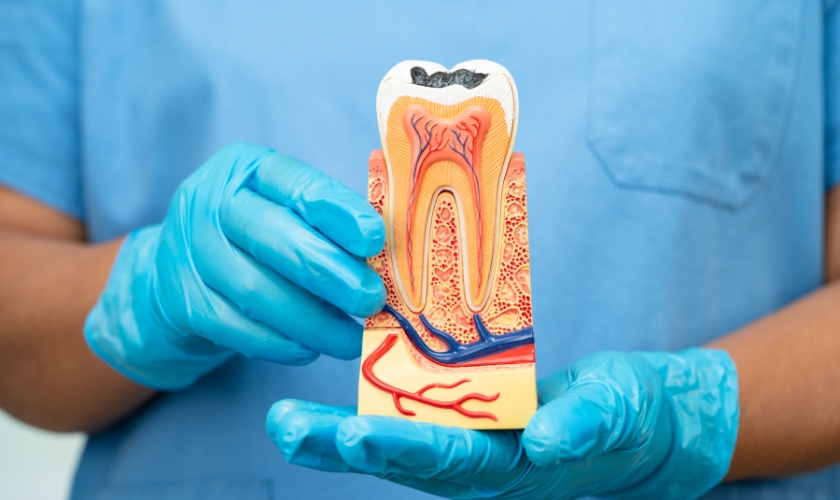
Tooth pain that keeps you up at night? A sudden swelling in your jaw? These are not just minor dental annoyances—they might be signs that you need an emergency root canal. Acting quickly could save your tooth and prevent severe complications.
In this blog, we’ll walk you through the key warning signs, the importance of acting fast, and what an emergency dentist can do to help relieve your pain.
Know The Signs When Your Tooth Needs Urgent Help
1. Severe, Persistent Tooth Pain
This isn’t the kind of pain that goes away with a sip of water or a pain reliever. If you feel a deep, throbbing ache that won’t quit—especially one that gets worse when lying down—it could be a sign that the tooth’s pulp (nerve and tissue inside) is infected.
Pain that lingers for more than a day and keeps intensifying is your body’s way of saying, “Help now!”
2. Extreme Sensitivity to Hot or Cold
It’s normal for teeth to feel a little sensitive sometimes, but if hot drinks like coffee or cold items like ice cream trigger intense pain that lingers long after the temperature goes away, you might be facing nerve damage.
This symptom can be a warning sign that decay has reached the nerve, necessitating root canal treatment to prevent tooth loss.
3. Swelling Around the Gums or Face
If your gums near a particular tooth are swollen, red, or tender—or if your cheek is visibly puffed up—it could indicate an abscess. An abscess is a pocket of pus caused by infection and can be very serious if left untreated.
4. A Bump on Your Gum
You may notice a small pimple-like bump or boil near the tooth. This is often a sign of an infection that’s trying to drain. While it may not always be a problem, it indicates that trouble is brewing beneath the surface.
Ignoring it can lead to deeper infections or the spread of bacteria to other parts of the body.
5. Tooth Discoloration
A tooth that has suddenly turned dark or gray can signal a dying or dead nerve inside. This discoloration often means the tooth’s internal tissue has been damaged by trauma or decay and may require immediate attention.
An emergency dentist in Fort Lauderdale can examine the tooth and determine if a root canal is necessary to restore and save it.
6. Cracked or Chipped Tooth
A crack or chip in a tooth can expose the inner pulp to bacteria, leading to inflammation or infection. Even if there is no pain initially, bacteria can enter the pulp chamber and cause issues over time.
A prompt visit to the dentist can prevent the need for extraction later on.
According to the AAE, over 15 million root canals are performed annually in the U.S.—many of them as emergency procedures to treat infections and alleviate pain.
What Happens During a Root Canal Emergency?
If a dentist determines you need a root canal, they will numb the area and remove the infected or damaged pulp. The inside of the tooth is cleaned and sealed to prevent further infection. This process relieves pain and saves your natural tooth from extraction.
In most cases, you’ll also receive a crown to protect the tooth and restore its function.
This Is When To Call an Emergency Dentist
You should contact an emergency dentist right away if:
- The pain becomes unbearable
- You have swelling that spreads to your face or neck
- You notice pus or drainage from your gums
- You’ve had a recent injury to your tooth
Delaying treatment can increase your risk of losing the tooth or allowing the infection to spread.
Listen To Your Tooth!
Tooth pain is your body’s alarm system. If something feels wrong, especially if there are signs like swelling, discoloration, or extreme sensitivity, it’s best to get checked immediately. A timely visit to a dentist in Fort Lauderdale FL, can be the key to saving your tooth and preventing further health issues. Your smile is worth it!