We’re a registered Medicare provider, but not with Medicaid or Dentaquest.
Teeth Whitening in Fort Lauderdale, FL

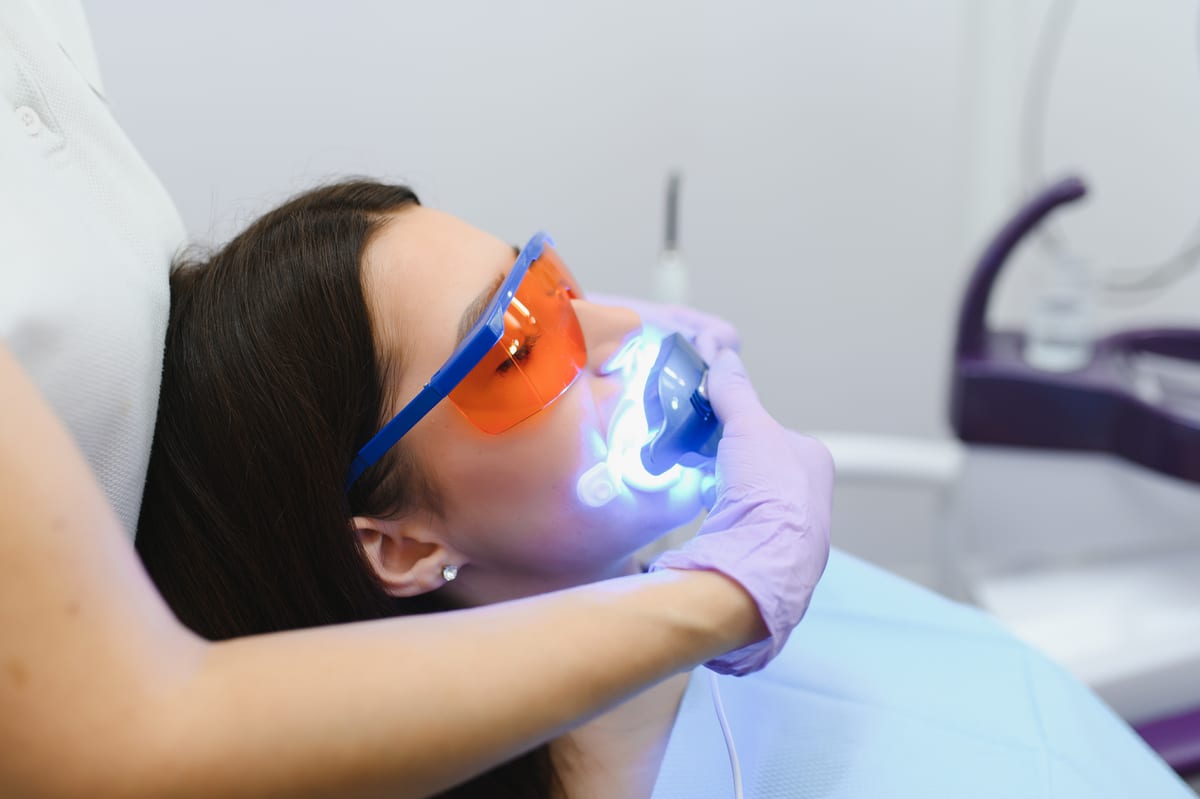
So many patients in Oakland Park ask the same question before scheduling a whitening appointment. Will teeth whitening actually work for you in Oakland Park, or will you be disappointed with the results? The honest answer is: it depends on your specific situation. Understanding what whitening can and cannot do helps you make a smarter decision for your smile.
At Gold Coast Dental Center, Dr. Jerry Karedan takes a candidacy-first approach to cosmetic care. Before recommending any whitening treatment, we evaluate your teeth, gums, and dental history. That evaluation makes a big difference in your outcome.
Why Teeth Whitening Works Great for Some People in Oakland Park
Professional whitening targets a specific type of discoloration. It works best on extrinsic stains — stains that sit on the outer surface of your enamel. These stains come from food, beverages, and lifestyle habits over time.
Common causes of extrinsic staining include:
- Coffee and tea consumed daily
- Red wine and dark sodas
- Tobacco use over many years
- Certain foods like berries, tomato sauce, and curry
- Poor brushing habits that allow surface buildup
If your teeth are naturally yellow or have darkened from these everyday sources, professional whitening often delivers dramatic results. Most patients see several shades of improvement after a single in-office session. The bleaching agents penetrate enamel and break up stain molecules effectively.
Patients with healthy gums and no major dental restorations tend to respond best. If you fall into this category, whitening is likely a great fit for you.
Who May Not Benefit — Common Whitening Candidacy Concerns
Not every type of discoloration responds to bleaching agents. This is one of the most important things to understand before investing in whitening. There are specific situations where whitening simply will not deliver the results you expect.
Here are the most common reasons whitening may not work well:
- Intrinsic stains: These stains develop inside the tooth structure itself. They cannot be reached by surface bleaching products.
- Dental crowns and veneers: These restorations are made from ceramic or composite materials. Whitening agents do not change their color at all.
- Tooth-colored fillings: Like crowns, composite fillings will not whiten. This can create an uneven smile after treatment.
- Medication-induced staining: Tetracycline antibiotics taken during tooth development can cause deep gray or brown banding. This type of staining is very resistant to whitening.
- Fluorosis: Excessive fluoride during childhood can cause white spots or brown patches that may not respond predictably to bleaching.
If you have any of these conditions, Dr. Karedan will explain your options honestly. There are excellent cosmetic alternatives that can still give you a beautiful, even smile.
What Happens If You Have Restorations Like Crowns or Veneers
This is one of the most frequent concerns we hear from Oakland Park patients. Many people have at least one crown, veneer, or filling. They worry that whitening will leave those restorations looking mismatched and obvious.
That concern is completely valid. Whitening gel only affects natural tooth enamel. Ceramic and composite materials simply do not respond to the bleaching process. If your front teeth include visible restorations, whitening could create a two-tone appearance that looks worse than before.
In these situations, we may recommend porcelain veneers as an alternative. Veneers cover the front surface of your teeth. They can be custom-shaded to create a perfectly uniform smile — restorations and all. We also assess whether replacing older restorations with a shade that matches whitened teeth is a good option.
The key takeaway: always disclose your existing dental work before whitening. A proper exam prevents mismatched results and wasted effort.
Medication-Induced and Intrinsic Staining — What Are Your Real Options in Oakland Park
Medication-induced staining is one of the trickiest cases in cosmetic dentistry. Tetracycline antibiotics were commonly prescribed decades ago. When taken during childhood, they absorb into developing tooth structure and cause dark horizontal bands. These stains live deep inside the tooth — well beyond the reach of any whitening gel.
Many patients try whitening first without knowing this. They complete a full treatment course and see very little change. That experience is frustrating and completely avoidable with a proper candidacy screening up front.
Intrinsic staining from trauma is another common example. If a tooth was knocked or injured in the past, internal bleeding can cause the tooth to gradually darken from within. Whitening will not reverse this process either.
For deep intrinsic stains, the most effective solutions are usually cosmetic in nature. Veneers are the most popular choice because they mask the underlying discoloration completely. In some cases, dental crowns may be recommended — particularly when the tooth also needs structural support. Dr. Karedan takes time to explain every option so you can choose what fits your smile goals and budget.
How Dr. Karedan Screens Whitening Candidates at Gold Coast Dental Center
The screening process at Gold Coast Dental Center is thorough but simple. Dr. Karedan begins with a visual exam of your teeth and gums. Healthy gum tissue is essential before any whitening treatment begins. Active gum disease or tooth sensitivity can make whitening uncomfortable or unsafe.
He also reviews your dental history and asks about any medications you take or have taken. This helps identify potential intrinsic staining causes before treatment begins. X-rays may be taken if there are concerns about tooth structure or nerve health.
If you are a strong candidate, the team walks you through both in-office and take-home whitening options. If you are not an ideal candidate, Dr. Karedan will recommend the most effective cosmetic alternative for your specific situation. The goal is always to give you results you feel confident about — not just to sell you a service.
Gold Coast Dental Center also offers a full range of general and restorative care. If a dental concern arises unexpectedly, our Emergency Dentistry services are available to help right away. For patients missing teeth who want a complete smile makeover, Implant Dentistry may also be worth exploring alongside cosmetic treatments.
Frequently Asked Questions
Will teeth whitening work if I have sensitive teeth?
Sensitivity does not automatically disqualify you from whitening. However, it does require extra care. Dr. Karedan may recommend a lower-concentration gel or a desensitizing pre-treatment. In some cases, a short delay while underlying sensitivity is addressed works best. Always mention tooth sensitivity during your screening appointment.
How long do professional whitening results last in Oakland Park?
Results typically last between one and three years depending on your habits. Avoiding staining foods and beverages extends your results significantly. Occasional touch-up treatments with take-home trays can help maintain brightness over time. Good oral hygiene is essential for keeping whitened teeth looking their best.
Can whitening fix gray teeth caused by old antibiotics?
Unfortunately, tetracycline-related gray or brown banding does not respond well to standard whitening treatments. The staining is embedded deep inside the tooth structure. Porcelain veneers are generally the most effective solution for this type of discoloration. Dr. Karedan can evaluate your specific case and recommend the best approach.
Is over-the-counter whitening a good alternative if I am not a candidate for professional treatment?
Over-the-counter products use much lower concentrations of whitening agents. They can provide minor improvement for mild surface staining. However, they carry the same limitations as professional whitening — they will not affect restorations, intrinsic stains, or medication-induced discoloration. A professional evaluation helps you avoid wasting time and money on treatments unlikely to work for your situation.
What is the next step if whitening is not right for me?
There are excellent cosmetic options available even if whitening is not the right fit. Veneers, bonding, and crowns can all address discoloration that bleaching cannot fix. Dr. Karedan will review your goals and suggest the most practical path forward. Book Now to schedule your appointment with our team.