We’re a registered Medicare provider, but not with Medicaid or Dentaquest.
Transform Your Smile with Veneers: Fix Imperfections & Boost Confidence

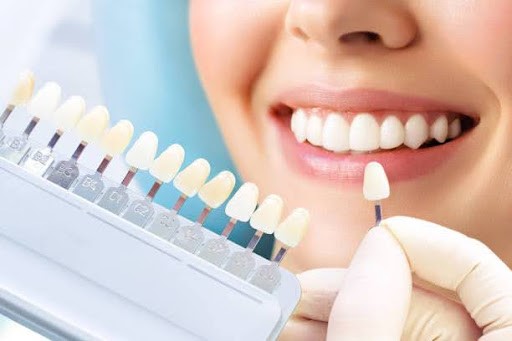
Cosmetic dentistry is key to unlocking a perfect smile, and dental veneers are among the most transformative options available. These thin, custom-made shells are designed to cover the front surface of teeth, concealing imperfections and providing an aesthetically pleasing appearance.
Dental veneers can transform your smile dramatically and boost your confidence. They offer a practical solution for individuals seeking to achieve their dream smile without extensive dental work.
Key Benefits of Cosmetic Dentistry Veneers
- Aesthetic Enhancement: Achieve a flawless appearance by covering imperfections.
- Boosted Confidence: A beautiful smile can significantly improve self-esteem.
- Natural Look: Veneers blend seamlessly with existing teeth, offering a natural appearance.
- Durability: With proper care, veneers can last for many years.
Understanding Dental Veneers
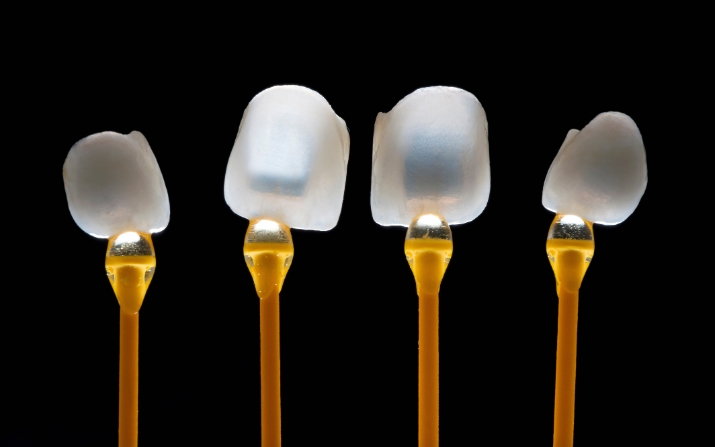
Dental veneers, also known as cosmetic veneers, are thin shells designed to cover the front surface of teeth. These custom-made shells are primarily used for aesthetic enhancement, concealing imperfections such as chips, cracks, discoloration, and gaps.
Types of Materials Used
There are two main types of materials used for dental veneers in Fort Lauderdale FL: porcelain and composite.
1. Porcelain Veneers
Porcelain veneers are known for their durability and natural look. They involve a multi-step process including enamel removal and custom fitting. Here are some key characteristics of porcelain veneers:
- Strength: Highly durable and resistant to chipping.
- Stain Resistance: Better at resisting stains compared to other materials.
- Longevity: Can last 10 to 20 years with proper care.
- Cost: Generally more expensive due to their superior qualities.
2. Composite Veneers
Composite veneers are made from a tooth-colored resin. They are more affordable but may not last as long or resist stains as effectively as porcelain options. Here are some important points about composite veneers:
- Cost-effectiveness: Less costly than porcelain veneers.
- Ease of Application: Often require fewer dental visits.
- Aesthetic Appeal: Mimics the natural look of teeth but may not be as lifelike as porcelain.
- Longevity: Typically lasts 5 to 7 years with proper maintenance.
Overview of Different Types of Dental Veneers
There are several types of dental veneers available:
1. Porcelain Veneers
Porcelain dental veneers involve a multi-step process including enamel removal and custom fitting.
2. Composite Veneers
Made from a tooth-colored resin, these veneers are more affordable but may not last as long or resist stains as effectively as porcelain options.
3. No-prep Veneers
Options like Lumineers fall into this category. They require minimal or no removal of tooth structure, making the procedure less invasive.
4. Removable Veneers
They are less common and can be removed when desired, offering a temporary solution for those not ready to commit to permanent veneers.
Understanding these various aspects helps in making an informed decision about enhancing your smile with dental veneers.
Getting Dental Veneers: A Step-by-Step Guide
Embarking on the journey to a new smile with dental veneers involves several key steps. Understanding these steps ensures you know what to expect and eases any anxieties about the process.
1. Initial Consultation
The first step in the veneer procedure is an initial consultation with your dentist. During this visit, you will:
Discuss your smile goals and specific concerns.
Have a thorough evaluation of your teeth and gums to ensure they are healthy enough for veneers.
Receive detailed information about the types of veneers available and which might be best suited for your needs.
2. Tooth Preparation
Once you decide to proceed, the next phase is preparing your teeth for the veneers. This involves:
Removing a small amount of enamel from the front surface of each tooth being treated. This is crucial for ensuring that the veneers fit properly and look natural.
Note: The amount of enamel removed is typically very minimal, but it is an irreversible process.
3. Taking Impressions
After preparing your teeth, your dentist will take precise impressions or molds of them. These impressions are essential for creating custom veneers that perfectly fit your teeth’s unique shape and size. This process includes:
Using a soft putty-like material to capture an accurate mold.
Sending these molds to a dental lab where skilled technicians craft your custom veneers.
4. Temporary Veneers (Optional)
While waiting for your permanent veneers, you may receive temporary ones. These protect your prepared teeth and give you a preview of how your new smile will look.
5. Final Bonding
Once your custom veneers are ready, it’s time for placement:
- Fitting: Your dentist will first place each veneer on its respective tooth to check fit and color. Adjustments can be made at this stage to ensure a perfect match.
- Bonding: The final step involves bonding the veneers to your teeth using a special dental cement.
- Curing: A special light beam hardens the cement quickly, securing the veneer in place.
This meticulous process ensures that once bonded, your veneers are strong, durable, and seamlessly integrated with your natural teeth.
Understanding each step involved in getting dental veneers can help demystify the procedure and highlight its precision and care tailored to achieving a beautiful, confident smile.
The Benefits and Considerations of Choosing Dental Veneers
Dental veneers offer numerous advantages that can lead to significant smile enhancement and a confidence boost. These thin, custom-made shells are designed to conceal various imperfections such as:
- Chips: Small fractures or chips in teeth can be effectively hidden.
- Cracks: Superficial cracks that detract from the beauty of your smile are easily covered.
- Gaps: Unwanted spaces between teeth can be closed for a more uniform look.
One of the most appealing aspects of dental veneers is their ability to provide a natural look. They blend seamlessly with your existing teeth, offering a beautiful result that can transform your smile. The materials used in veneers, especially porcelain, mimic the light-reflecting properties of natural teeth, ensuring they don’t stand out as artificial enhancements.
Longevity with Proper Care
With proper maintenance, veneers can last for many years:
- Porcelain Veneers: Typically last between 10 to 20 years.
- Composite Veneers: Generally last around 5 to 7 years.
Regular brushing, flossing, and avoiding hard or staining foods help maintain their appearance and functionality over time.
Dental veneers not only enhance aesthetics but also contribute to overall dental health by providing an extra layer of protection for damaged teeth.
Is Dental Veneers Right for You? Key Factors to Consider Before Getting Started
Dental veneers can dramatically enhance your smile, but it’s crucial to consider several factors before moving forward with this cosmetic treatment.
- Irreversible Nature of the Procedure
One key aspect to understand is that getting dental veneers is an irreversible procedure. This is because a small amount of enamel must be removed from your teeth to make space for the veneers. Once this enamel is removed, it cannot be restored, making the decision to get veneers a permanent one.
- Sensitivity Issues
Another important consideration is the potential for sensitivity issues following the placement of veneers. Since some enamel is removed during the process, you may experience increased sensitivity to hot and cold temperatures. This sensitivity typically diminishes over time, but it’s something to keep in mind if you already have sensitive teeth.
Additional Points to Ponder
- Cost and Maintenance: Veneers can be a significant financial investment. Their longevity depends on proper care, such as regular brushing, flossing, and avoiding hard or staining foods.
- Suitability: Not everyone is an ideal candidate for veneers. For instance, individuals with severe tooth decay or gum disease might need other treatments before considering veneers.
Exploring these factors will help ensure that you’re making an informed decision tailored to your specific dental needs and lifestyle. hout the process.
Frequently Asked Questions About Dental Veneers
When considering dental veneers, it’s natural to have some questions. Here are answers to some common questions about veneers:
1. How long do dental veneers last?
Porcelain veneers: Typically last between 10 to 20 years with proper care.
Composite veneers: Generally last around 5 to 7 years.
2. Are they painful to get?
Most patients experience minimal discomfort during the veneer placement process. Local anesthesia is usually administered to numb the area, ensuring a comfortable experience.
3. How do I care for my new ones?
Practice good oral hygiene by brushing and flossing regularly.
Avoid hard foods and substances that can stain, such as coffee and tobacco.
Visit your dentist for regular check-ups and cleanings.
4. Are there alternatives available if I’m not a suitable candidate?
Yes, alternatives include teeth whitening, orthodontic treatments like braces or Invisalign, and dental bonding. Your dentist can recommend the best option based on your specific needs.
Start Your Journey to a Beautiful Smile Today!
If you’re looking to improve your smile, we are here to help. Our team of experts specializes in cosmetic dentistry and offers personalized solutions to meet your specific needs.
Why choose us?
- Experienced Professionals: Our skilled dentists prioritize patient satisfaction, ensuring comfort throughout the entire process.
- Comprehensive Services: From routine cleanings to full smile transformations, we provide affordable options for high-quality dental veneers.
- State-of-the-Art Technology: Advanced equipment and techniques for precise, effective treatments.
Don’t wait any longer to boost your confidence and achieve the smile of your dreams. Contact us today to schedule a consultation and find out how dental veneers can make a difference!