We’re a registered Medicare provider, but not with Medicaid or Dentaquest.



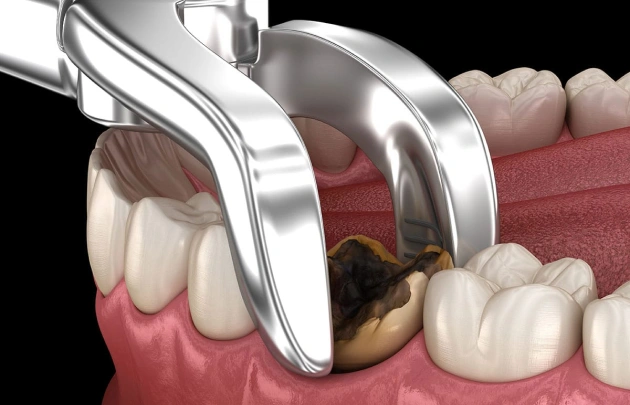
Tooth Extractions: Trust Us for Gentle Care!
At Gold Coast Dental, our primary goal is to save your natural teeth. However, there are times when a patient tooth needs to be removed. There are multiple causes for this including advanced tooth decay, gum disease, infection or breakage.
We will discuss with you tooth replacement options which include dental implants, fixed bridges or dentures. Dental extractions are a short-term fix but not a long-term solution.
Trust our experienced staff to make this procedure quick and painless.
When Should I Consider a Tooth Extraction?
Tooth extractions are typically considered a last resort in dental health solutions. Your local dentist Lauderdale, will help you understand why you need an extraction and what to expect during the process.
There are two sets of teeth: primary teeth, which are the first set that fall out as a child grows, and permanent teeth, which replace the primary teeth.
Although permanent teeth are meant to last a lifetime, several factors may necessitate extraction, including:
- Overcrowded teeth
- Irreparable damage
- Impacted teeth
- Periodontal disease or gum infections
- Injury or accident
Before recommending a tooth extraction, your dentist will conduct a thorough examination of the affected tooth, mouth, and gums to ensure that you are healthy enough for the procedure.
Tooth Extraction Process
There are two types of tooth extraction procedures that your dentist may recommend: simple and surgical extractions.
Simple extractions are performed under local anesthesia and are primarily used for visible teeth that can be easily accessed.
Surgical extractions are more complex and may be necessary if the tooth is not easily reachable. This situation often arises when a tooth is impacted or broken. During a surgical extraction, your dentist may make an incision to lift the tissue covering the impacted tooth and may need to remove the tooth in several pieces to complete the extraction.
When is a Tooth Extraction Necessary?
Tooth extractions may be required in several situations, including when a tooth is severely infected, broken beneath the gums, damaged, or overcrowded. They can also be beneficial for addressing periodontal disease and gum infections caused by bacteria. Additionally, extractions may be needed to create space for orthodontic treatment or to preserve other teeth after an accident, such as a car crash.
Your dental provider will carefully assess your mouth and gums before recommending an extraction, ensuring that you are healthy enough for the procedure.
Can I Be Put to Sleep for My Extraction?
Yes, depending on the tooth being extracted, your dentist may refer you to a specialist, such as an oral surgeon, who can provide various sedation options. With dental sedation, you won’t feel any pulling, discomfort, or pain during the procedure. The dental care team will closely monitor your vital signs to ensure your safety.
If you are at risk of complications, your oral surgeon may recommend conducting the procedure in a setting equipped to handle any emergencies.
What Can I Expect Before and After the Procedure?
Before the extraction, your dentist may use local anesthesia to numb the area, preventing sharp pain during the procedure. If local anesthesia is used, you can expect to feel some pulling as the dentist works to remove the tooth.
After the extraction, some bleeding is normal, and your dentist will place gauze over the socket to absorb blood. They will also provide instructions on how to care for the socket to minimize the risk of infection and promote healing.
What Is a Dry Socket and How Can I Prevent It?
It’s normal for a blood clot to form where the tooth was extracted; this clot protects the nerve endings and underlying bones. However, if the clot becomes dislodged, it can lead to a dry socket, which is painful and uncomfortable. To prevent a dry socket, you should:
- Avoid using a straw
- Refrain from smoking or using tobacco
- Maintain good oral hygiene
What Can I Eat After a Tooth Extraction?
During the first 24 hours post-extraction, it’s essential to stick to soft foods and liquids. Some easy-to-chew options include:
- Eggs
- Applesauce
- Cottage cheese
- Yogurt
- Mashed potatoes
- Oatmeal
- Ice cream
The Importance of Tooth Extractions
Tooth extractions are a fundamental and sometimes necessary dental procedure that plays a crucial role in maintaining oral health and overall well-being. While the thought of having a tooth removed may seem daunting, the significance of tooth extractions extends beyond immediate discomfort, addressing various dental issues and preventing potential complications.
Alleviating Pain and Discomfort
One of the primary reasons for tooth extractions is to relieve pain caused by severely decayed or damaged teeth. These teeth can be a source of persistent discomfort, affecting eating, speaking, and overall quality of life. By removing the affected tooth, patients can experience relief, allowing them to regain normal oral function and enjoy an improved quality of life.
Preventing the Spread of Infection
Tooth extractions also play a critical role in preventing the spread of infection. When a tooth is severely infected or abscessed, it poses a significant risk to surrounding teeth and tissues. Extracting the infected tooth eliminates the source of the infection, reducing the risk of complications that could impact the entire oral cavity or even the individual's systemic health.
Addressing Overcrowding and Misalignment
In cases of overcrowding or misalignment, tooth extractions may be necessary. Orthodontic treatments, such as braces, often require the removal of certain teeth to create adequate space for proper alignment. Extracting teeth in these situations not only improves the effectiveness of orthodontic treatment but also contributes to a harmonious and functional bite, reducing the likelihood of future dental issues.
Preparing for Restorative Procedures
Tooth extractions can also be essential in preparing for restorative procedures such as dental implants or dentures. When a tooth is too damaged for effective restoration, extraction clears the way for more successful and durable replacement options. This strategic approach ensures that patients can eventually regain full oral function, aesthetics, and confidence.
Conclusion
In summary, the importance of tooth extractions cannot be overstated. These procedures not only alleviate pain and prevent infections but also enhance overall oral health. They play a pivotal role in maintaining proper alignment, preparing for restorative treatments, and preventing future complications. While the prospect of a tooth extraction may initially cause apprehension, understanding its broader benefits underscores its vital role in preserving and promoting oral health and well-being.