We’re a registered Medicare provider, but not with Medicaid or Dentaquest.
Are Dental Implants the Right Fit for Your Oral Health Needs?


Dental implants are artificial tooth roots surgically placed into the jawbone, providing a robust foundation for replacement teeth. They play a crucial role in addressing the challenges of missing teeth in terms of aesthetics and functionality.
Understanding Dental Implants
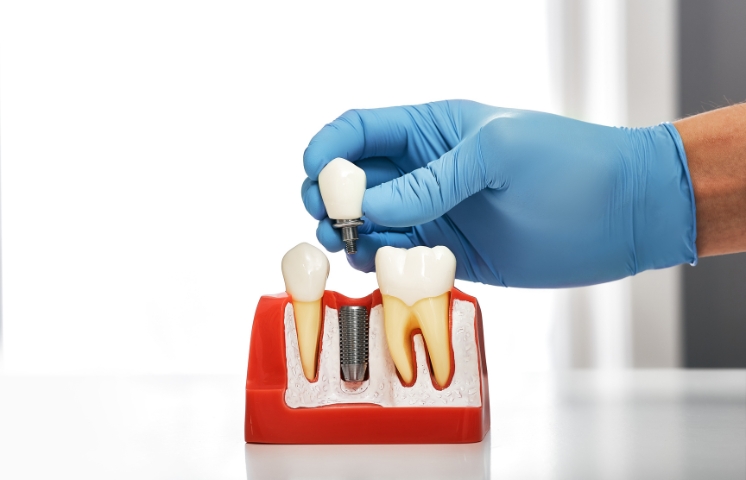
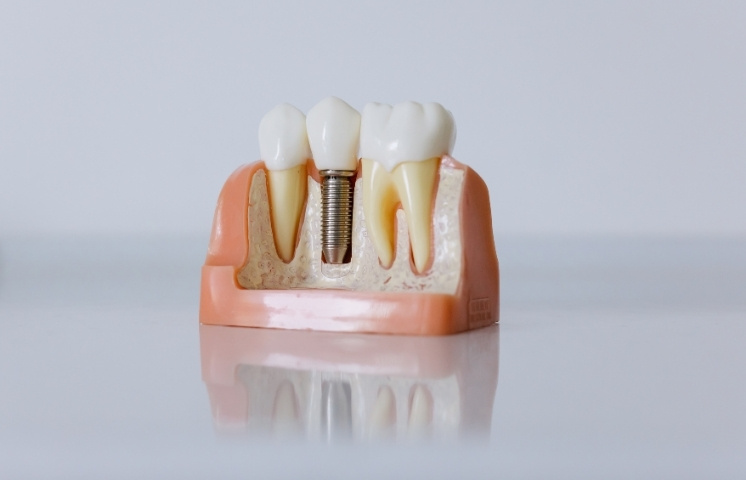
Dental implants are artificial tooth roots designed to provide a stable foundation for replacement teeth. These dental solutions involve surgically placing a titanium post into the jawbone. This post acts as a root substitute, offering robust crown, bridge, or denture support.
How Dental Implants Work
Once implanted, the titanium post undergoes a biological process known as osseointegration. This critical phase ensures the implant fuses with the jawbone, creating a solid and permanent anchor. Osseointegration is key to the stability and longevity of dental implants, making them an effective long-term solution for tooth loss.
The Surgical Process
The surgical placement of dental implants typically involves several steps:
- Consultation and Planning: A thorough evaluation by your dentist to determine if you’re a suitable candidate.
- Implant Placement: The titanium post is inserted into the jawbone during an outpatient surgical procedure.
- Healing Period: Time is allowed for osseointegration, which can take several months.
- Abutment Placement: Once healed, an abutment (connector) is attached to the implant post.
- Crown Placement: Finally, a custom-made artificial tooth (crown) is affixed to the abutment.
This multi-stage process ensures that dental implants are securely positioned and capable of supporting daily activities like chewing and speaking. Each step is crucial in achieving optimal results and ensuring the longevity of the implant.
By understanding how dental implants function and what the procedure entails, patients can better appreciate their role in effectively and permanently addressing tooth loss.
Benefits of Choosing Dental Implants
Dental implants offer several distinct advantages when compared to traditional tooth replacement options like bridges or dentures:
Natural Appearance: Dental implants are designed to resemble natural teeth closely. The custom-made crowns are indistinguishable from real teeth, providing a seamless look.
Comfort: Unlike dentures, which can sometimes slip or cause discomfort, dental implants are securely anchored in the jawbone, ensuring a stable and comfortable fit.
Bone Loss Prevention: Implants help preserve the jawbone by preventing the bone loss that often occurs with missing teeth. This helps maintain facial structure and prevents the sunken appearance associated with tooth loss.
Aesthetic and Functional Benefits
Dental implants not only look like natural teeth but also function similarly. This offers several key benefits:
- Improved Self-Esteem: Dental implants, with their natural appearance, can significantly boost your self-confidence. You’ll feel more comfortable smiling, speaking, and eating without worry.
- Enhanced Quality of Life: Dental implants function like natural teeth, allowing for normal chewing and speaking patterns. This means you can enjoy your favorite foods and articulate clearly without hindrance.
Durability and Longevity
The durability of dental implants is another critical advantage:
- Long-Lasting Solution: Dental implants are known for their longevity. When properly maintained, they can last a lifetime.
- High Success Rate: Supported by statistical evidence, the success rate for dental implants is approximately 97% at ten years. This high success rate underscores their reliability as a long-term solution for tooth loss.
Considerations Before Getting Dental Implants
Dental implants have notable benefits, but it’s essential to weigh potential drawbacks:
- Expense Comparison: Dental implants, such as bridges or dentures, can be more expensive than other tooth replacement options. This includes the cost of the implant itself, surgical fees, and any necessary follow-up visits.
- Insurance Coverage Challenges: Many insurance plans do not fully cover dental implant procedures, potentially leading to significant out-of-pocket expenses. It’s crucial to check your policy and discuss financing options with your dentist.
- Surgical Risks: The procedure involves surgery, which carries inherent risks like any surgical intervention. Common hazards include infection, nerve damage, and sinus issues if implants are placed in the upper jaw.
- Infection Risk: Post-surgery infection is a concern. Proper oral hygiene and following the dentist’s post-operative care instructions are vital to minimize this risk.
Are You a Suitable Candidate for Dental Implants?
To determine if dental implants are right for you, consider the following factors:
- Good Overall Dental Health: You should have healthy gums and no signs of periodontal disease.
- Sufficient Jawbone Density: Your jawbone needs enough density to support the implant. In some cases, bone grafting may be required.
- General Health Conditions: Certain health conditions, such as uncontrolled diabetes, blood clotting disorders, or active cancer treatment, can affect your eligibility for dental implants.
It’s essential to consult with a dental specialist who can evaluate these criteria and provide personalized guidance for successful implant outcomes.
Why You Should See a Dental Specialist for Personalized Advice on Implant Dentistry in Fort Lauderdale
When thinking about getting dental implants, it’s really important to get a professional evaluation from a skilled dentist who focuses on implant dentistry. Their knowledge and experience can help them assess your oral health thoroughly and consider all the individual factors involved.
Here are some reasons why consulting a dental specialist is beneficial:
- Tailored Recommendations: Every patient has a different situation, so getting personalized advice that considers your specific needs and conditions is important.
- Accurate Diagnosis: An expert can accurately determine whether dental implants are suitable for you by examining factors like the density of your jawbone and your overall health.
- Risk Assessment: Professionals can identify potential risks associated with the procedure and devise strategies to minimize them, which can greatly increase the chances of success.
- Advanced Techniques and Technologies: Experienced specialists often use state-of-the-art methods and tools that can lead to better results and shorter recovery times.
By consulting with a dental specialist, you can be sure that you’re getting the most effective treatment plan tailored specifically for you. This will help you achieve the best possible restoration of oral health.
Why Choose Gold Coast Dental Center for Your Implant Dentistry Needs?
Gold Coast Dental Center in Fort Lauderdale stands out as a premier provider of dental implant services. Its state-of-the-art facility and commitment to delivering exceptional results with a patient-centered approach are pivotal to its reputation.
- Expertise and Advanced Technologies: At Gold Coast Dental Center, patients benefit from the expertise of seasoned professionals specializing in implant dentistry. The clinic employs advanced technologies and techniques that set it apart from other dental practices.
- Digital Imaging and 3D Scanning: These tools allow for precise planning and accurate placement of dental implants, minimizing risks during surgery.
- Computer-Guided Implant Surgery: Enhances precision in implant placement, ensuring optimal integration with the jawbone.
- Sedation Dentistry Options: Various sedation options are available to ensure patient comfort during procedures.
Frequently Asked Questions About Dental Implants: Addressing Common Concerns and Misconceptions
1. What is the expected lifespan of dental implants?
Dental implants can last a lifetime with proper care. Studies indicate a success rate of approximately 97% at ten years, reflecting their durability and longevity.
2. Is there potential discomfort during the procedure?
While some discomfort is expected post-surgery, most patients find it manageable with prescribed pain relievers. The use of local anesthesia and sedation options during the procedure minimizes any pain experienced.
3. What care routines are necessary after implant placement?
Maintaining good oral hygiene is crucial. This includes regular brushing, flossing, and routine dental check-ups to ensure the health and longevity of the implants. Your dentist will provide specific care instructions tailored to your needs.