We’re a registered Medicare provider, but not with Medicaid or Dentaquest.
How Long Does a Tooth Extraction Take to Heal?


Tooth extractions are a common dental procedure that many people undergo for a variety of reasons, including severe tooth decay, impacted wisdom teeth, or damaged teeth that cannot be repaired. While it might sound intimidating, understanding the healing process can make it a lot easier to manage and help ensure a smooth recovery. If you wonder after tooth extraction how long to heal and what factors affect the healing process, you’re in the right place. Let’s take a detailed look at the recovery timeline, what you can do to speed it up, and how to care for your mouth during this time.
What Happens During a Tooth Extraction?
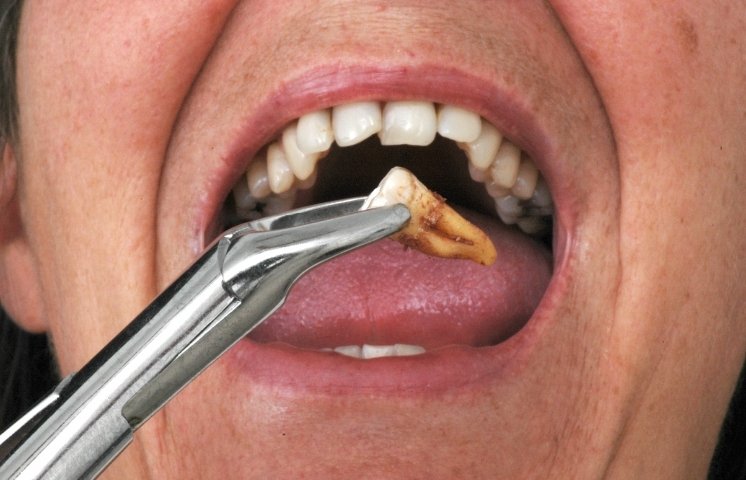
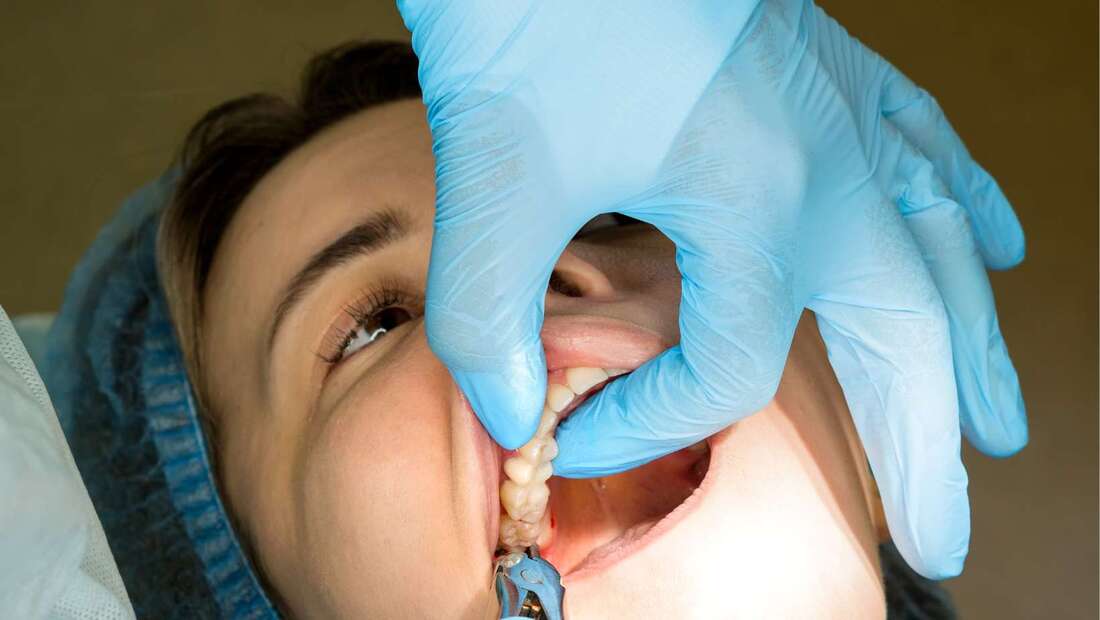
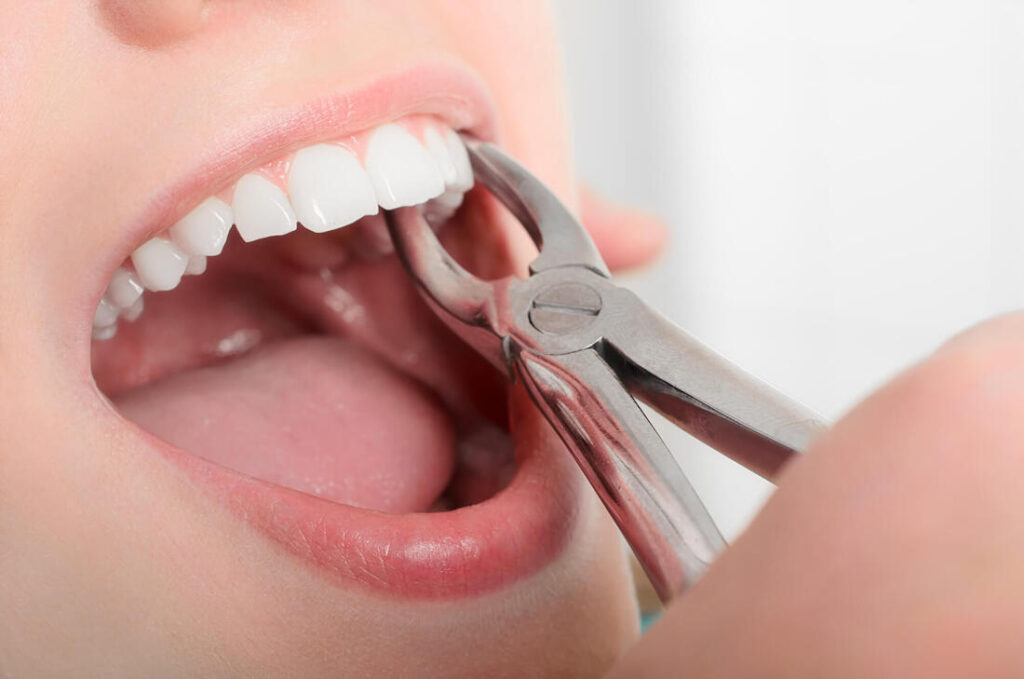
Knowing what happens during a tooth extraction in Fort Lauderdale FL is essential to understanding the healing process better. The procedure begins with the dentist numbing the area around the tooth to ensure you don’t feel pain during the removal. Depending on the case’s complexity, the dentist may extract the tooth either by loosening it with an elevator or, in more complex cases like impacted wisdom teeth, by making a small incision in the gums and removing the tooth in sections.
Once the tooth is removed, your dentist places gauze over the extraction site to control bleeding and helps you form a blood clot, an essential part of the healing process. The blood clot protects the underlying bone and nerve endings while the tissues regenerate and heal.
After Tooth Extraction How Long to Heal
The healing timeline can vary depending on factors like the location of the tooth, your overall health, and how well you follow post-operative care instructions. Here’s a general outline of what to expect during each phase of healing.
Day 1: Immediately After Extraction: The first 24 hours after your tooth extraction are critical. During this time, your body begins to form a blood clot at the extraction site, which acts as a protective layer over the wound. You may experience some pain, swelling, and minor bleeding during this period, which is normal. You should avoid rinsing your mouth vigorously or using straws, as these actions can dislodge the clot and delay healing.
Days 2-3: Initial Healing: During the first few days, the pain and swelling should gradually decrease. You may still feel some tenderness, but this is part of the natural healing process. The risk of complications such as dry socket (when the blood clot is dislodged) is highest during this time. Therefore, it’s important to follow your dentist’s instructions carefully and avoid activities that might disturb the clot, such as smoking, drinking through a straw, or eating hard foods.
Day 4-7: Tissue Repair Begins: By the fourth day, the tissues surrounding the extraction site will begin to heal more significantly. You may notice that the discomfort starts to subside, and any swelling will begin to go down. During this time, you can slowly reintroduce soft foods into your diet, but be cautious about chewing on the side of the extraction. Good oral hygiene is essential, but you should still be gentle around the area when brushing or rinsing.
Weeks 2-4: Full Healing: After two weeks, soft tissue mostly heals, but the underlying bone may still require additional time for full recovery. You may feel fine, but follow-up visits are advised to monitor healing, especially after complex extractions or placed sutures. At this point, you can start brushing the extraction area more normally and begin eating a more regular diet.
Months 2-3: Bone Healing: While the soft tissue heals relatively quickly, the bone beneath the extraction site takes a bit longer. The bone can take up to three months to fully recover, particularly if the extraction was complicated. Your dentist may monitor healing and suggest further treatments like implants or bridges to replace the extracted tooth if needed.
Factors Affecting Healing Time
Several factors can influence how quickly you heal after a tooth extraction. Some people may recover faster than others, depending on individual circumstances. Here are some of the main factors that can affect your healing process:
1. Type of Tooth Extraction: Simple extractions heal faster than surgical ones, which are often needed for impacted teeth or those below the gum line. If you had a more complex procedure, you might need a longer healing period.
2. Location of the Extraction: The location of the tooth can also impact the healing time. For example, wisdom teeth extractions, especially lower wisdom teeth, tend to take longer to heal than other teeth. The size of the tooth and the condition of the surrounding bone also play a role.
3. Your Overall Health: Your body’s overall health and immune system play a significant role in healing. People who are generally healthy tend to heal faster than those with underlying health conditions such as diabetes or compromised immune systems.
4. Age: Younger individuals often heal more quickly than older adults. As we age, our body’s ability to regenerate tissue slows down, which can lengthen the healing process.
5. Oral Hygiene: Maintaining good oral hygiene is crucial for preventing infection and promoting healing. However, you need to be careful during the first few days not to disturb the blood clot. Your dentist may recommend using a saline rinse or a prescribed mouthwash to keep the area clean.
6. Following Post-Operative Instructions: How well you follow your dentist’s post-operative care instructions can greatly impact your recovery. Avoiding activities like smoking, spitting, or using straws is essential for preventing dry socket and other complications.
Tips for Speeding Up the Healing Process
While the healing process takes time, there are steps you can take to promote faster recovery. Here are some tips that can help:
1. Get Plenty of Rest: In the first few days after your tooth extraction, it’s important to give your body plenty of time to rest and heal. Avoid strenuous physical activities, and try to keep your head elevated when resting to minimize swelling.
2. Stay Hydrated: Drinking plenty of fluids is important for your overall health and healing. However, avoid using straws, as the sucking motion can dislodge the blood clot and slow down the healing process.
3. Follow a Soft Food Diet: Stick to soft foods such as yogurt, applesauce, mashed potatoes, and soups for the first few days. Gradually reintroduce harder foods as you heal. Avoid crunchy, spicy, or acidic foods that might irritate the extraction site.
4. Use Cold Compresses for Swelling: Applying a cold compress to the side of your face can help reduce swelling and provide relief from discomfort. Use ice packs for 15-20 minutes at a time during the first 48 hours.
5. Take Prescribed Medications: Your dentist may prescribe pain relievers or antibiotics to manage pain and prevent infection. Be sure to take medications as directed to avoid complications and speed up recovery.
6. Keep the Extraction Site Clean: While it’s important not to disturb the blood clot, you can gently rinse your mouth with a saline solution to keep the area clean. Your dentist may also recommend a specific mouthwash to prevent infection.
Extended Care After Tooth Extraction:
Initial healing takes about two weeks, but full recovery of bone and gum tissue may take several months to complete. During this time, follow proper long-term care practices to ensure proper healing and maintain excellent oral health in the future.
In this extended guide, we’ll explore additional tips and considerations that can help you recover fully from a tooth extraction, prevent complications, and lay the foundation for a healthy smile in the future.
Post-Extraction Oral Hygiene
Oral hygiene plays a critical role in both your immediate and long-term recovery. While your dentist will likely advise you to be gentle around the extraction site in the days following the procedure, you can gradually resume your regular oral hygiene routine with a few important modifications.
1. Brushing Your Teeth: You should continue brushing your teeth after a tooth extraction, but take care to avoid the extraction site directly for the first few days. Use a soft-bristled toothbrush and gentle strokes to clean your teeth and gums. Once the extraction site has begun to heal, you can start brushing the area more normally, but be cautious until the healing process is complete.
2. Flossing: Flossing remains an important part of your oral hygiene routine even after a tooth extraction. Be sure to floss gently around the neighboring teeth, but avoid the extraction site itself until you’ve received the green light from your dentist.
3. Using Mouthwash: In the first few days after the procedure, your dentist may recommend rinsing your mouth with a warm saline solution to keep the area clean. Avoid using over-the-counter mouthwashes that contain alcohol, as they can irritate the healing tissue. Your dentist may also prescribe a special antibacterial mouthwash to help prevent infection. Once you’ve healed, you can gradually resume using a regular mouthwash, but always consult your dentist first.
The Role of Diet in Healing
What you eat during the recovery period can significantly impact how well and how quickly you heal. Following a soft food diet is essential in the first few days, but as you recover, gradually incorporating more substantial foods is important for maintaining overall health.
1. Foods to Avoid
Certain foods can hinder your healing process and should be avoided in the days and weeks following your extraction:
- Crunchy or hard foods: Chips, nuts, and raw vegetables can get lodged in the extraction site or disrupt the blood clot, slowing the healing process.
- Spicy foods: Spicy ingredients can irritate the wound and cause unnecessary discomfort.
- Acidic foods: Citrus fruits and vinegar-based foods can lead to discomfort and may delay healing.
- Chewy foods: Gum, candies, and other sticky or chewy foods can disturb the extraction site and cause pain or complications.
2. Foods to Eat
Stick to soft, easy-to-chew foods that won’t irritate the extraction site. Some good options include:
- Smoothies (without a straw)
- Yogurt
- Mashed potatoes
- Applesauce
- Scrambled eggs
- Soft-cooked vegetables
- Broths and soups (be sure they are not too hot)
- Soft fish or shredded chicken
As you heal, you can gradually introduce more variety into your diet, but make sure to avoid anything that requires excessive chewing near the extraction site.
Smoking and Tooth Extraction Healing
If you smoke, it’s crucial to refrain from doing so for at least 72 hours after a tooth extraction, but ideally for the entire healing period. Smoking can delay healing and increases the risk of developing dry socket, a painful condition where the blood clot becomes dislodged from the extraction site.
1. Why Smoking Is Harmful: Nicotine restricts blood flow, reducing the amount of oxygen and nutrients that reach the healing tissues. This can significantly slow down the healing process. Additionally, the act of inhaling can disturb the blood clot and lead to complications such as infection or dry socket.
2. Tips for Quitting: For many, quitting smoking is easier said than done. However, taking steps to reduce or quit smoking around the time of your tooth extraction can help speed up your recovery and improve your overall health. Here are some tips to help you quit smoking before and after your extraction:
- Nicotine replacement therapies: Consider using nicotine patches or gum as a temporary measure to reduce cravings while you recover.
- Support groups: Join an online or in-person support group to help you through the process of quitting.
- Avoid triggers: Stay away from situations or places that trigger your desire to smoke.
When to Call the Dentist
While most people heal without complications, it’s important to monitor your symptoms and contact your dentist if you notice any of the following:
- Excessive pain or discomfort that doesn’t improve after a few days
- Persistent swelling that worsens after 48 hours
- Heavy bleeding that doesn’t stop with gauze or pressure
- Signs of infection, such as fever, foul odor, or pus at the extraction site
- Difficulty swallowing or breathing
If you experience any of these symptoms, it’s important to contact your dentist right away. Early intervention can prevent complications and ensure a smooth recovery.
Conclusion
Tooth extraction recovery varies from person to person, but understanding the healing timeline and following proper care instructions can make the process easier. Most people heal within two weeks, with full recovery taking a few months for more complex extractions. By taking care of your mouth and seeking professional care when necessary, you can ensure a healthy recovery.
If you’re in the Fort Lauderdale area and need a tooth extraction or want more information, visit your dentist in Fort Lauderdale, where we provide expert care and guidance to help you through every step of the process.