We’re a registered Medicare provider, but not with Medicaid or Dentaquest.
What Happens During Your Professional Dental Cleaning?

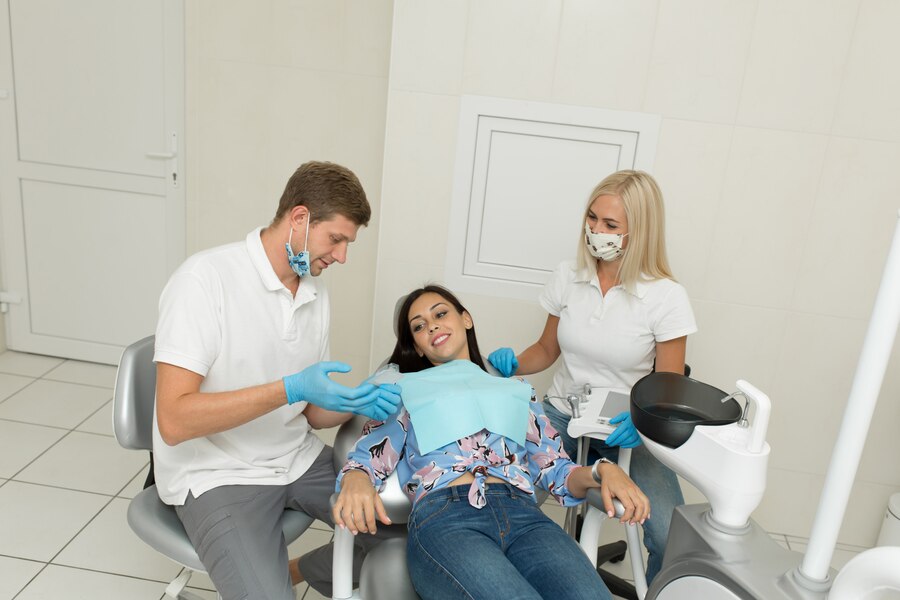
Maintaining your oral hygiene goes beyond just brushing and flossing daily. Regular dental cleanings are crucial to ensure your teeth and gums are in top shape. These professional sessions allow dentists to remove plaque, tartar, and other debris that regular brushing often misses. If you’ve ever wondered what exactly happens during a professional dental cleaning, this detailed guide will walk you through each step of the process.
A professional cleaning session does more than make your teeth feel smooth and polished. It is essential to prevent oral diseases like gingivitis, cavities, and even more severe periodontal diseases. Understanding the procedure can help you appreciate the importance of regular visits to your dentist.
Initial Examination
When you first arrive for your dental cleaning in Fort Lauderdale appointment, the dentist or dental hygienist will begin with an initial examination. This is a critical step that ensures your mouth is in a condition to receive cleaning. The dental professional will use a small mirror to check your teeth and gums for any signs of inflammation, decay, or other potential problems. This examination allows them to identify issues that might need attention before cleaning.
If there are any significant concerns, like deep cavities or severe gum disease, your dentist may recommend additional treatments before continuing with the cleaning. This thorough check ensures your cleaning will be as effective and beneficial as possible.
Scaling: The Removal of Plaque and Tartar
Once the initial exam is complete, the cleaning officially begins with removing plaque and tartar through a process called scaling. Plaque is a sticky film of bacteria that constantly forms on your teeth. If not removed, it hardens into tartar, which can only be cleaned professionally.
Using a scaler tool, the hygienist will remove tartar and plaque from your teeth, particularly around the gum line and between the teeth. This step is crucial because tartar cannot be eliminated through regular brushing and flossing. The hygienist will clean even the areas that are hard to reach, ensuring that all surfaces of your teeth are thoroughly cleaned.
This part of the procedure may produce some discomfort for those with sensitive gums, but it’s essential for preventing the onset of gum disease and other oral health problems.
Polishing: Smoothing and Whitening
After scaling, the next step is polishing. The hygienist will polish the teeth with a high-powered electric toothbrush and a gritty toothpaste. This process not only smooths out the teeth’s surface but also helps remove any remaining plaque and stains that scaling couldn’t address.
The polishing paste feels somewhat grainy but is designed to give your teeth a smooth and polished finish. The sensation may seem intense, but it’s completely safe when performed during your dental cleaning. It helps maintain a brighter smile by eliminating surface stains from things like coffee, tea, or tobacco.
Expert Flossing
Even if you floss daily, professional flossing by your dental hygienist is an essential part of your dental cleaning. The hygienist will carefully floss between your teeth, ensuring no plaque or debris is left behind from the scaling and polishing stages.
This flossing session also allows the hygienist to identify any areas that are more sensitive or prone to bleeding. It’s an excellent way to assess the health of your gums and determine if there are any areas where you need to improve your at-home flossing technique.
Rinsing and Fluoride Treatment
The next step in the cleaning process involves rinsing your mouth. A fluoride solution or water will be used to rinse away the debris that was dislodged during the cleaning, leaving your mouth feeling refreshed and clean.
Your dentist may often recommend a fluoride treatment after your dental cleaning. Fluoride is a mineral that strengthens tooth enamel and helps prevent cavities. The fluoride treatment is usually applied as a gel, foam, or varnish and is left on the teeth for a few minutes to ensure absorption. This step is particularly beneficial for those more prone to tooth decay.
Personalized Oral Care Advice
One of the most valuable aspects of professional dental cleaning is the personalized care advice at the end of the session. Based on your oral health, your dentist or hygienist will offer recommendations for improving your at-home dental care routine. They might suggest specific types of toothpaste, mouthwash, or brushing and flossing techniques that will help you maintain cleaner and healthier teeth between appointments.
If the dental team notices any issues, like early signs of gum disease or decay, they will provide guidance on reversing or slowing down the progress. This advice is tailored to you, helping you take better care of your smile daily.
The Importance of Regular Dental Visits
While a professional dental cleaning will leave your mouth feeling fresh and clean, it is essential to recognize that these cleanings are not a one-time fix. Plaque and tartar will accumulate over time, even with excellent at-home care. This is why dentists recommend scheduling cleanings at least twice a year to maintain optimal oral health.
These regular appointments do more than clean your teeth. They allow your dentist to catch potential problems early, such as cavities or gum disease, before they become more severe and more complicated to treat.
In addition to preventing oral diseases, regular dental visits can help you maintain a bright, healthy smile and fresh breath, boosting your confidence.
The Long-Term Benefits of Regular Dental Cleanings
Many people underestimate the power of a routine dental cleaning, believing that their daily brushing and flossing routines are sufficient. While home care is crucial, professional cleanings offer long-term benefits that at-home oral care cannot match. Let’s explore some of these benefits:
Prevention of Gum Disease: Gum disease, or periodontal disease, is a serious condition that starts with gum inflammation (gingivitis) and can progress to more severe forms if not treated in time. It is caused by the buildup of plaque and tartar around the gums. When plaque hardens into tartar, it becomes a breeding ground for bacteria that irritate and infect the gums.
Regular dental cleanings effectively remove plaque and tartar, preventing the onset of gum disease. By keeping your gums healthy, you avoid the complications of advanced gum disease, such as receding gums, loose teeth, and in severe cases, tooth loss.
Reduction in Bad Breath (Halitosis): One of the often-overlooked benefits of a professional dental cleaning is preventing bad breath, also known as halitosis. While bad breath can be caused by various factors, including certain foods, smoking, and medical conditions, poor oral hygiene is a leading cause.
Plaque and tartar buildup create an environment where bacteria can thrive, producing foul-smelling sulfur compounds that lead to bad breath. Regular cleanings remove this buildup and leave your mouth feeling fresh and clean, significantly reducing the chances of persistent bad breath.
Early Detection of Oral Health Issues: During your routine dental cleaning, your dentist will thoroughly examine your teeth and gums. This examination allows them to detect early signs of oral health issues such as cavities, gum disease, or even oral cancer. Early detection is key to addressing these problems before they become more severe.
For example, catching a small cavity early allows your dentist to fill it before it becomes a more painful issue that might require more invasive treatments like root canals or crowns. Similarly, spotting the early signs of gum disease can lead to preventive therapies that stop the disease from progressing to more serious stages.
Healthier, Brighter Smile: Who doesn’t love the confidence boost from having a bright, healthy smile? Regular dental cleanings help maintain the whiteness of your teeth by removing surface stains caused by foods, drinks, and tobacco. While a dental cleaning is not a whitening procedure, it significantly improves the appearance of your teeth by removing discoloration caused by plaque and tartar buildup.
Over time, these cleanings will help your teeth maintain their natural brightness, giving you a healthier-looking smile.
Overall Health Benefits: Oral health is strongly connected to overall health. Poor oral hygiene has been linked to several systemic health issues, including heart disease, diabetes, and respiratory infections. Bacteria from oral infections can enter the bloodstream and contribute to inflammation throughout the body, exacerbating these conditions.
Ensuring your teeth and gums are healthy through regular dental cleanings also contributes to your overall well-being. Keeping your mouth free of harmful bacteria reduces the risk of developing other health problems and helps you maintain a higher quality of life.
Common Misconceptions About Dental Cleanings
Despite the clear benefits of professional dental cleanings, there are still several misconceptions that prevent people from getting the care they need. Let’s clear up some of the most common myths about dental cleanings:
“Dental Cleanings Hurt”: Many people avoid getting their teeth cleaned because they fear it will be painful. However, dental cleanings should not cause significant discomfort. While you may feel some pressure during scaling, particularly if you have sensitive gums or a significant buildup of tartar, most people find the experience tolerable.
If you have dental anxiety, let your dentist or hygienist know ahead of time. They can take extra measures to ensure you feel comfortable during the cleaning. Modern dental technology has also made cleanings more efficient and gentle, so you can expect a much smoother experience.
“You Only Need Cleanings if Your Teeth Hurt”: Some people assume that they only need to visit the dentist when they experience pain or other obvious symptoms. However, regular dental cleanings are necessary even if your teeth feel fine. Many oral health issues, such as cavities and gum disease, develop gradually and may not cause pain in the early stages.
By the time you feel discomfort, the problem might already be advanced. Regular cleanings allow your dentist to catch issues early, preventing them from progressing into more serious and painful conditions.
“Brushing and Flossing Are Enough”: While brushing and flossing are vital components of your daily oral care routine, they are not enough to keep your mouth completely clean. Plaque can harden into tartar in areas that are difficult to reach with a toothbrush or dental floss, such as below the gumline. Only professional tools can remove this hardened buildup.
Skipping professional cleanings can lead to gum disease, cavities, and other oral health issues, even if you are diligent about brushing and flossing every day.
“Dental Cleanings Can Damage Teeth”: Another misconception is that the tools used during dental cleanings can damage your teeth or enamel. This is not true. Dentists and hygienists are trained to use specialized instruments designed to safely remove tartar and plaque without harming your teeth. The polishing process that follows the cleaning also smoothens out the surface of your teeth, making them feel and look better without damaging the enamel.
Frequently Asked Questions About Dental Cleanings
To help clarify any remaining doubts about dental cleanings, let’s address some of the most frequently asked questions:
1. How often should I get a professional dental cleaning?
Most dentists recommend getting a professional dental cleaning every six months. However, depending on your oral health, your dentist may suggest more frequent cleanings. If you have a history of gum disease, cavities, or other oral health issues, more frequent visits can help maintain optimal health.
2. Is a dental cleaning the same as teeth whitening?
No, a dental cleaning is different from a teeth whitening procedure. While a cleaning removes surface stains and can make your teeth appear brighter, it does not change the natural color of your teeth like a whitening treatment. For a more dramatic whitening effect, you may need to consider a professional teeth whitening procedure.
3. Are dental cleanings safe during pregnancy?
Yes, professional dental cleanings are safe during pregnancy and are highly recommended. Hormonal changes during pregnancy can increase the risk of gum disease and other oral health issues, so it’s essential to maintain good oral hygiene during this time. Inform your dentist if you are pregnant, and they will take extra precautions to ensure your comfort during the cleaning.
4. Can I eat or drink after a dental cleaning?
Yes, you can eat and drink after your dental cleaning. However, if you received a fluoride treatment during the cleaning, your dentist might recommend waiting 30 minutes to an hour before eating or drinking. This allows the fluoride to fully absorb into your teeth for maximum protection.
5. How can I maintain the results of my dental cleaning?
To maintain the results of your professional cleaning, continue practicing good oral hygiene at home. Brush your teeth twice a day with fluoride toothpaste, floss daily, and use mouthwash to keep your mouth free of bacteria. Limiting sugary foods and drinks and avoiding tobacco products will also help prevent plaque buildup and maintain a healthy smile.
Conclusion
A professional dental cleaning is an essential part of maintaining good oral health. From removing stubborn plaque and tartar to polishing your teeth and offering personalized care advice, each step plays a crucial role in ensuring your teeth and gums remain healthy. By visiting your dentist regularly, you are not only taking care of your smile but also preventing potential oral health issues down the road.
At Gold Coat Dental Center, we strive to provide the highest quality dental care in a comfortable and welcoming environment. Our team of professionals is dedicated to helping you achieve and maintain optimal oral health through personalized and thorough cleanings. Make your appointment today and take the next step toward a healthier, brighter smile.