We’re a registered Medicare provider, but not with Medicaid or Dentaquest.
When You Should Consider Wisdom Tooth Extraction?

Wisdom teeth, also known as third molars, are the last set of teeth that typically emerge in your late teens or early twenties. While some people are fortunate enough to have their wisdom teeth come in without any problems, many others experience issues that necessitate extraction. Knowing when and why you might need a wisdom tooth extraction is essential to maintaining good oral health.
In this guide, we’ll walk you through the most common signs indicating that you need a wisdom tooth extraction fort lauderdale fl, the procedure itself, and the recovery process. We will also address some of the risks associated with delaying this procedure.
Signs You Might Need a Wisdom Tooth Extraction
Wisdom teeth can cause a variety of issues, especially if there isn’t enough room for them to emerge properly. Below are some of the most common signs that indicate you may need to get your wisdom teeth removed:
1. Pain and Discomfort: One of the most apparent signs is persistent pain or discomfort in the back of your mouth. This pain might start mild but could escalate if left untreated. The pain usually stems from the tooth trying to push its way through the gums in an already crowded area.
Ignoring the discomfort might lead to more significant issues, including infections or the development of cysts. If you are experiencing continuous pain, it’s time to consult your dentist about whether a wisdom tooth extraction is necessary.
2. Swelling Around the Jaw or Gums: If your wisdom teeth are impacted (meaning they can’t fully emerge), they can cause inflammation and swelling. The swelling may spread from your gums to your jaw, cheeks, or even your neck. This swelling might make it difficult to open your mouth, chew, or speak comfortably.
Regular swelling could indicate that an infection is brewing under the gum tissue. A professional evaluation is vital to determine if you need an extraction to prevent the issue from worsening.
3. Jaw Stiffness or Difficulty Moving Your Mouth: Impacted wisdom teeth can exert pressure on the jaw, leading to stiffness or limited mobility. If you find it difficult to open your mouth wide, or if your jaw feels sore and tight, this might be another indicator of wisdom tooth problems. Jaw stiffness can make daily tasks like eating, talking, and brushing your teeth challenging, so it’s essential to address it before it gets worse.
4. Infection and Bad Breath: Infections near the site of wisdom teeth are a common issue, particularly if the teeth are partially erupted. The space around the tooth becomes an easy target for bacteria, which can lead to infections, causing bad breath or an unpleasant taste in your mouth. If you notice these signs, along with pain and swelling, it’s likely time to consider tooth extraction.
The Procedure: What to Expect
Wisdom tooth extraction is a routine dental procedure, but understanding what to expect can help alleviate anxiety. Your dentist or oral surgeon will likely take an X-ray to evaluate the position of your wisdom teeth before recommending the best course of action.
Pre-Procedure Consultation:
Before the extraction, your dentist will assess the condition of your wisdom teeth and your overall oral health. This might include X-rays and a thorough examination to determine the complexity of the extraction. In some cases, the dentist might refer you to an oral surgeon if your teeth are severely impacted or pose additional risks.
The Extraction Process
The actual extraction process is relatively quick, typically taking less than an hour. The procedure involves the following steps:
- Anesthesia: Before the extraction begins, your dentist will numb the area around the wisdom teeth with a local anesthetic. For more complex cases, sedation may be offered to keep you comfortable during the procedure.
- Incision (If Necessary): In cases of impacted wisdom teeth, your dentist may need to make a small incision in the gum to access the tooth. In some instances, the tooth might need to be broken into smaller pieces for easier removal.
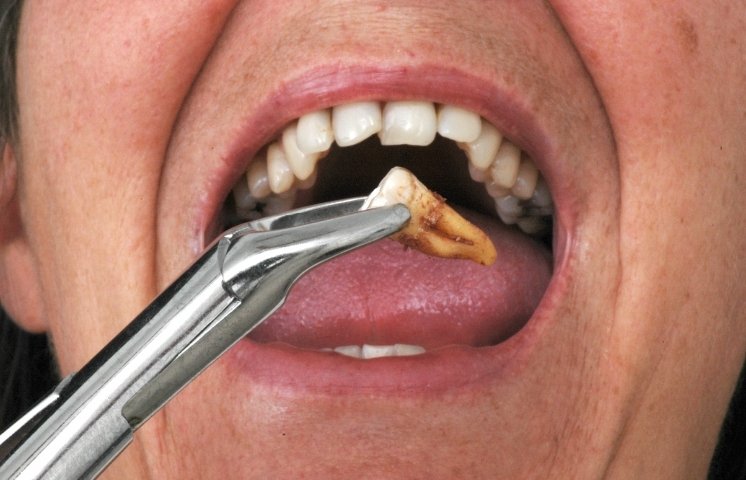
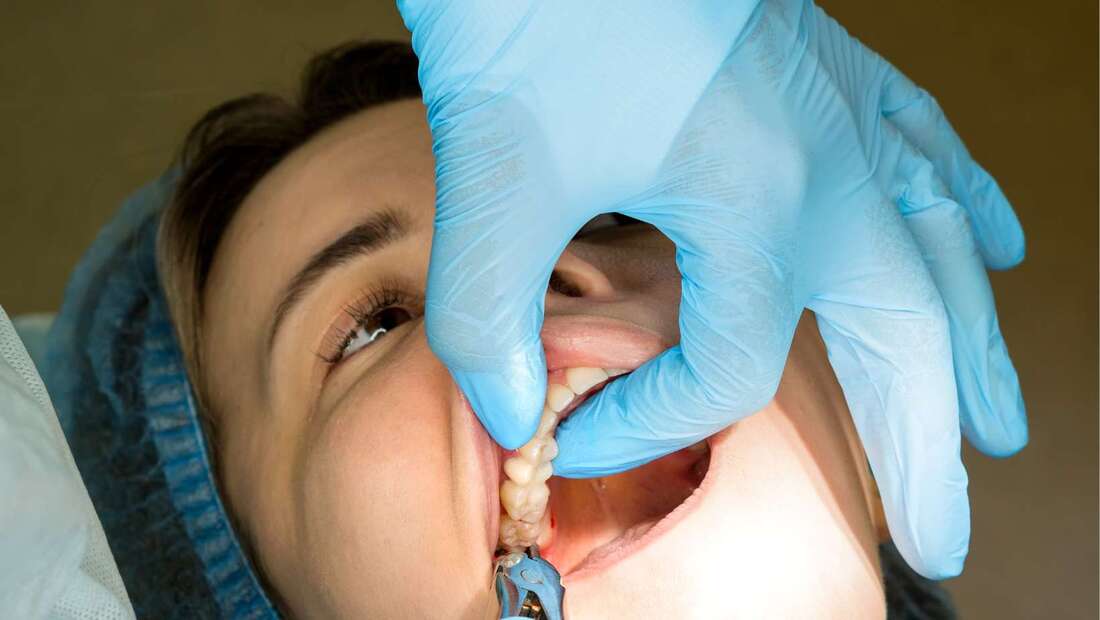
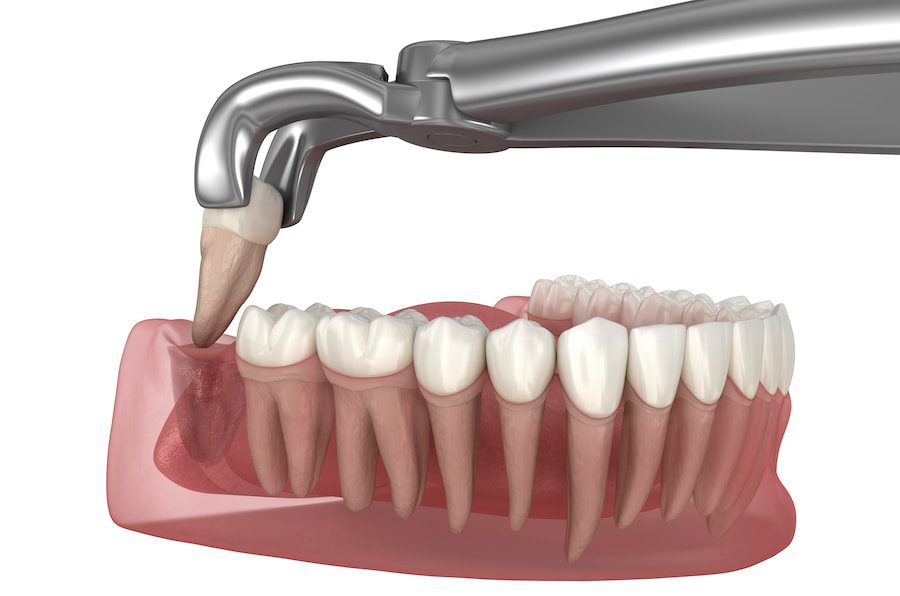
- Tooth Removal: The dentist will then carefully extract the tooth. For fully erupted wisdom teeth, this step is often quick and straightforward. However, impacted teeth or teeth with curved roots may take a little longer to remove.
- Stitches: After the tooth is extracted, the dentist may place stitches in the extraction site to promote healing and reduce the risk of infection.
- Post-Procedure Instructions: Your dentist will give you detailed post-operative care instructions to ensure proper healing. These instructions will include guidelines on managing pain, reducing swelling, and preventing infections.
Recovery After Wisdom Tooth Extraction
Proper post-operative care is essential for a smooth recovery. While most patients heal without any complications, it’s important to follow the guidelines provided by your dentist.
1. Managing Pain and Swelling: Pain and swelling are normal after the procedure, but they can be effectively managed. Your dentist may recommend over-the-counter painkillers such as ibuprofen or acetaminophen, or prescribe stronger medications if needed. Ice packs applied to the outside of the jaw can also help reduce swelling.
Be mindful that swelling usually peaks around two to three days after the extraction, so don’t be alarmed if the inflammation appears to worsen initially.
2. Diet After Extraction: For the first few days following the extraction, stick to soft foods like soups, mashed potatoes, yogurt, and smoothies. Avoid hard, crunchy, or chewy foods that could disturb the extraction site. As your gums heal, you can gradually return to your regular diet.
3. Oral Hygiene: Good oral hygiene is crucial to prevent infections after surgery. However, you should avoid brushing near the extraction site for the first 24 hours. After this period, gently rinse your mouth with warm salt water several times a day to keep the area clean. Do not use mouthwash that contains alcohol, as it can irritate the healing tissue.
Potential Complications of Delaying Wisdom Tooth Extraction
Delaying the extraction of problematic wisdom teeth can lead to more severe health issues. Below are some complications that can arise if you postpone this necessary procedure:
1. Tooth Decay and Gum Disease: Partially erupted wisdom teeth create hard-to-reach areas that make it difficult to maintain good oral hygiene. This increases the risk of tooth decay and gum disease, not only for the wisdom teeth themselves but also for the surrounding teeth. Cavities or infections in these teeth can spread and cause widespread damage to your gums and jawbone.
2. Cysts or Tumors: Impacted wisdom teeth can lead to the formation of cysts or tumors in the surrounding jawbone. These cysts may be benign but can still cause damage by displacing teeth or weakening the bone structure. In severe cases, surgery may be required to remove the cysts and repair the affected bone.
3. Misalignment of Teeth: As wisdom teeth try to emerge, they may push against the surrounding molars, causing them to shift or become misaligned. This crowding can undo previous orthodontic work or lead to bite problems, making it more difficult to maintain proper oral health.
Alternatives to Wisdom Tooth Extraction
In some rare cases, your dentist may recommend an alternative to extraction if your wisdom teeth are not causing any issues. These alternatives might include:
- Regular Monitoring: If your wisdom teeth are not causing pain or discomfort, your dentist may opt to monitor them with regular checkups and X-rays to ensure they remain healthy and don’t cause problems down the line.
- Partial Removal: If only part of the tooth is causing issues, your dentist might suggest removing a portion of the wisdom tooth, leaving the healthy part intact. This is less common but can be an option in certain situations.
Choosing the Right Dentist for Wisdom Tooth Extraction
When it comes to wisdom tooth extraction, choosing a skilled and experienced dentist is crucial for a successful outcome. If you’re in the Fort Lauderdale area, consider visiting Gold Coat Dental Center for your dental needs. Their experienced team provides excellent care, ensuring that your extraction is as smooth and comfortable as possible.
Whether you’re experiencing pain, swelling, or discomfort due to your wisdom teeth, their experts are well-equipped to help. With state-of-the-art equipment and a patient-focused approach, Gold Coat Dental Center ensures that you receive the best care possible.
Conclusion:
If you’re experiencing pain, discomfort, or any other symptoms of wisdom tooth complications, it’s essential to address the issue sooner rather than later. Delaying treatment can lead to more severe dental problems, and the longer you wait, the more complicated the extraction may become.
Take the first step towards a healthier, pain-free mouth by scheduling an appointment at Gold Coat Dental Center. Their team is dedicated to providing expert care for all of your dental needs, including wisdom tooth extraction. Contact them today and get back on the path to optimal oral health!