We’re a registered Medicare provider, but not with Medicaid or Dentaquest.
What to Expect During a Tooth Extraction Procedure?


Tooth extractions are a common dental procedure, typically performed when a tooth is severely damaged, decayed, or impacted. While the thought of getting a tooth pulled might be daunting for some, understanding the process can ease any anxiety. Whether you’re preparing for a simple extraction or a more complex surgical procedure, this guide will help you know what to expect every step of the way. If you’re in Fort Lauderdale, FL, finding a skilled dentist for your procedure is crucial for a comfortable and quick recovery.
Understanding the Need for Tooth Extraction
Before diving into the actual procedure, it’s essential to understand why a tooth might need to be extracted. Some of the most common reasons include:
- Severe tooth decay: When a cavity reaches deep into the tooth and becomes too large for a filling or crown to repair, extraction may be necessary.
- Tooth infection: If an infection has damaged the pulp of the tooth and cannot be treated with root canal therapy, the tooth may need to be removed.
- Impacted teeth: Wisdom teeth, in particular, are often impacted, meaning they don’t have enough room to fully emerge from the gums. This can cause pain and potential infection.
- Crowded mouth: In some orthodontic cases, teeth may need to be removed to create space for the alignment of other teeth.
In many cases, a tooth extraction can improve your oral health and prevent more severe complications. If you live in Fort Lauderdale, FL, it’s vital to consult a reputable dentist like those at Gold Coast Dental Center to determine if extraction is the right solution for you.
Preparing for a Tooth Extraction
Before the procedure, your dentist will perform a thorough examination. They’ll take X-rays to assess the position of the tooth, especially if it’s impacted or if there are concerns about nearby nerves and bone. They will also go over your medical history to ensure you’re fit for the procedure and discuss any medications you’re currently taking.
Some questions to expect during your consultation include:
- Do you have any allergies?
- Are you currently taking blood thinners or other medications?
- Have you had any issues with anesthesia in the past?
- Do you have a history of heart problems, diabetes, or other significant health conditions?
This consultation is an essential step to ensuring the extraction goes smoothly. If you have concerns about the procedure, this is the time to ask your dentist about pain management, recovery times, and any other worries you might have.
Types of Tooth Extractions
There are two primary types of tooth extractions: simple and surgical. Your dentist will determine which method is best for your situation based on the condition of your tooth and gums.
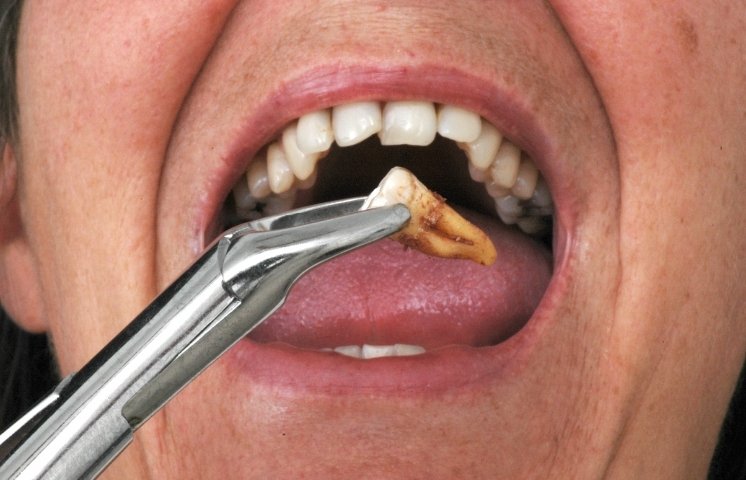
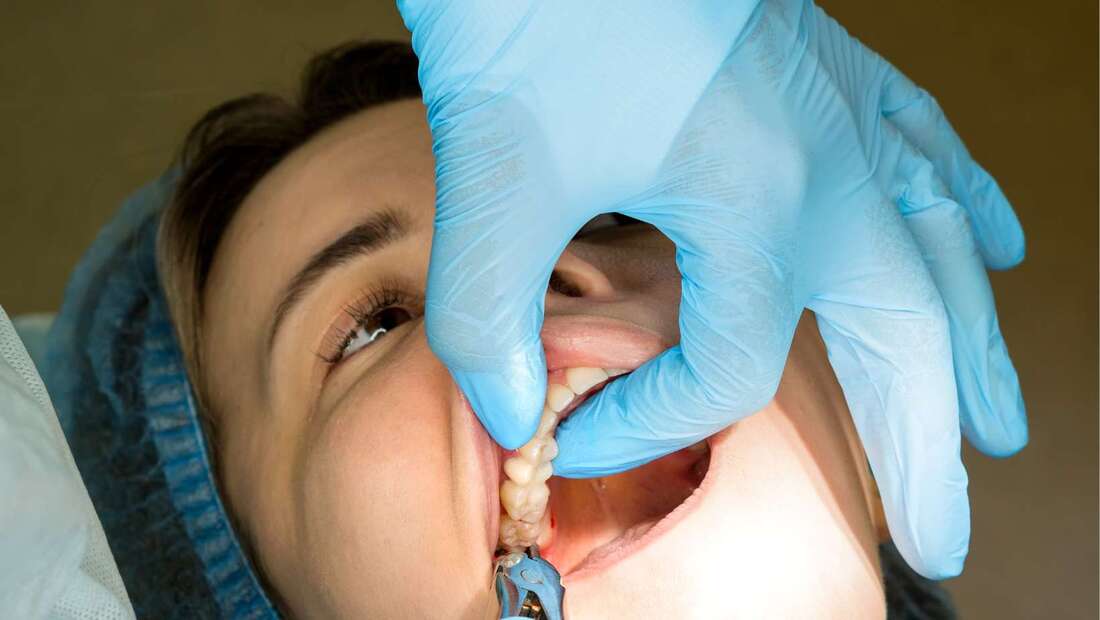
Simple Extractions: A simple extraction involves the removal of a tooth that is visible in the mouth. This is usually performed under local anesthesia to numb the area around the tooth. Your dentist will use specialized tools to loosen the tooth and carefully remove it.
Surgical Extractions: If the tooth has not fully erupted or is broken off at the gum line, a surgical extraction will be necessary. This procedure is more complex and might involve cutting into the gum and possibly removing some bone to access the tooth. In these cases, you might receive both local anesthesia and sedation to ensure comfort throughout the procedure.
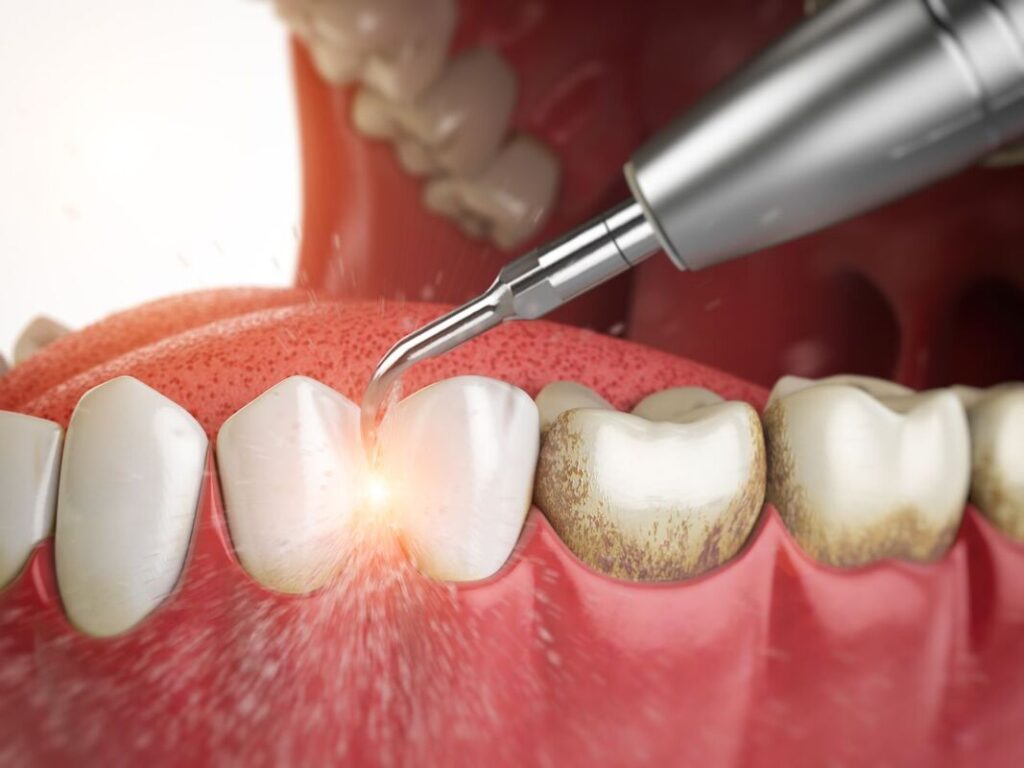
What to Expect During the Procedure
On the day of your extraction, you will be brought into the treatment room and given anesthesia to numb the area around the tooth. Here’s a breakdown of what typically happens during the procedure:
- Numbing the area: Your dentist will use a local anesthetic to ensure you feel no pain during the extraction. If you’re anxious, they may also offer sedation to help you relax.
- Loosening the tooth: For simple extractions, your dentist will use an instrument called an elevator to loosen the tooth from its socket. This process helps make the removal easier and more efficient.
- Removing the tooth: Once the tooth is adequately loosened, the dentist will extract it using forceps. You might feel pressure during this step, but there shouldn’t be any pain.
- Surgical extractions: In surgical cases, the dentist might make an incision in the gum to expose the tooth. They may need to remove bone or divide the tooth into sections before extraction.
- Cleaning the area: After the tooth is removed, your dentist will clean the socket to ensure no debris or infection remains.
- Closing the site: If necessary, the dentist may place a few stitches to close the gum tissue and promote healing.
Post-Procedure Care
After your extraction, your dentist will provide specific aftercare instructions to ensure proper healing. These instructions are crucial to avoid complications such as infection or a dry socket, a painful condition that occurs when the blood clot protecting the tooth socket becomes dislodged.
Some general aftercare tips include:
- Bite down on gauze: To control bleeding, your dentist will place gauze over the extraction site. Bite down gently but firmly for at least 30 minutes.
- Avoid spitting or rinsing vigorously: These actions can dislodge the blood clot that forms in the socket.
- Ice the area: Applying ice packs to your cheek for 15-20 minutes at a time can help reduce swelling.
- Take prescribed painkillers: If your dentist prescribes medication, take it as directed to manage discomfort.
- Eat soft foods: Stick to a diet of soft, easy-to-eat foods like yogurt, applesauce, and mashed potatoes for the first few days after the procedure.
- Avoid smoking or drinking through a straw: Both activities can disturb the blood clot and slow down the healing process.
- Rinse with salt water: After 24 hours, you can gently rinse your mouth with a warm saltwater solution to keep the area clean.
Your dentist may also schedule a follow-up visit to monitor your healing progress and remove any stitches if necessary.
Potential Complications
While tooth extractions are generally safe, there are a few potential complications to be aware of:
- Dry socket: This occurs when the blood clot at the extraction site dislodges or dissolves before the wound heals. Dry socket can be extremely painful, but your dentist can treat it with a medicated dressing.
- Infection: Signs of infection include persistent swelling, fever, and pus in the extraction site. If you notice any of these symptoms, contact your dentist immediately.
- Nerve injury: In rare cases, a surgical extraction can result in temporary or permanent nerve damage, especially if the tooth was close to a major nerve.
If you experience any severe pain, excessive bleeding, or other concerns after your extraction, don’t hesitate to contact your dentist right away.
Recovery Timeline
Recovery from a tooth extraction can vary depending on the complexity of the procedure and your overall health. Here’s a general timeline to help you understand what to expect:
- First 24 hours: Bleeding should stop, and swelling will begin to subside. You may still need to take painkillers.
- 2-3 days post-extraction: Swelling and discomfort should continue to decrease. Most people can resume normal activities, but it’s still important to avoid strenuous exercise.
- 1 week post-extraction: If you had stitches, your dentist will remove them around this time. The extraction site should be healing well.
- 2 weeks post-extraction: The gum tissue should be mostly healed, although the underlying bone may take a bit longer to fully regenerate.
Following your dentist’s aftercare instructions will help ensure a smooth recovery.
Preparing for the Extraction in Fort Lauderdale, FL
If you’re preparing for a tooth extraction in Fort Lauderdale, it’s essential to find a trusted dental practice. Gold Coast Dental Center offers expert care to ensure your procedure is as comfortable and efficient as possible. Their team takes the time to assess your unique situation, using the latest technology to deliver top-notch dental care.
How to Mentally Prepare for a Tooth Extraction
While the physical preparation for a tooth extraction is essential, preparing mentally is just as crucial. Many patients feel anxious about dental procedures, especially extractions. Taking steps to calm your mind before the procedure can make a big difference in your overall experience. Here are some tips to mentally prepare:
Addressing Anxiety
It’s perfectly normal to feel nervous about a tooth extraction, but there are ways to reduce your anxiety:
- Ask Questions: Understanding the process and knowing what to expect can ease your mind. Talk to your dentist about the steps involved, how long the procedure will take, and what the recovery will be like. Most people fear the unknown, and getting clarity can provide reassurance.
- Breathe and Relax: Breathing exercises are highly effective for managing anxiety. Practice deep breathing before your appointment and even during the procedure. Inhale deeply through your nose, hold for a few seconds, and exhale slowly. This simple practice can significantly reduce tension.
- Focus on the Benefits: Think about how the extraction will improve your oral health in the long term. Whether it’s relieving pain, preventing infection, or preparing for orthodontic work, focusing on the positive outcome can shift your perspective.
- Bring a Comfort Item: If allowed, consider bringing a stress ball, small blanket, or something familiar that helps you relax during the procedure.
- Ask About Sedation Options: If your anxiety is severe, ask your dentist about sedation options. Many patients opt for nitrous oxide (laughing gas) or oral sedatives to help them stay calm throughout the process.
Preparing for Aftercare
Mentally preparing for the aftercare can also make the process less overwhelming. Knowing how to manage discomfort and the steps required for a smooth recovery will make you feel more in control of the situation. Make sure you have the following things ready before your extraction:
- Stock Up on Supplies: Prepare soft foods, pain medications (either prescribed or over-the-counter), and cold compresses in advance. Having these items ready will make the immediate post-extraction period much easier.
- Time Off Work or School: If you anticipate needing a few days of rest after your extraction, arrange your schedule accordingly. Planning ahead for some downtime will help you relax and recover at your own pace.
- Support System: If possible, arrange for someone to accompany you to your appointment and drive you home afterward, especially if you’re having sedation. Having a friend or family member there can provide emotional support and make you feel more at ease.

Nutrition and Diet After Tooth Extraction
Your diet plays a significant role in your recovery after a tooth extraction. Eating the right foods can help you heal faster, while certain foods and drinks can cause complications if consumed too soon. Knowing what to eat and what to avoid can make your recovery smoother.
What to Eat
During the first few days after your extraction, stick to soft foods that won’t irritate the extraction site or cause excessive chewing. Some recommended options include:
- Yogurt: Soft and creamy, yogurt is easy to eat and won’t require much chewing. It’s also a good source of protein, which can aid in healing.
- Smoothies: A nutrient-packed smoothie can be a great way to get fruits, vegetables, and protein into your diet without putting stress on your teeth. Just avoid using a straw, as the suction can dislodge the blood clot.
- Mashed Potatoes: Soft and easy to swallow, mashed potatoes provide a comforting, filling meal. Just make sure they’ve cooled down before eating to avoid irritation.
- Applesauce: Applesauce is gentle on your mouth and provides vitamins and fiber. It’s a good alternative to chewing on raw fruits, which should be avoided initially.
- Broth or Soup: Warm (not hot) broth or blended soups can offer nutrients while being easy to eat. Avoid soups with large chunks of vegetables or meat, as they can require too much chewing.
- Scrambled Eggs: Soft and full of protein, scrambled eggs are another great option for post-extraction recovery.
Foods to Avoid
Certain foods can irritate the extraction site, cause discomfort, or delay healing. Here’s what to stay away from:
- Crunchy or Hard Foods: Chips, nuts, and raw vegetables can get stuck in the extraction site and cause irritation. They also require more chewing, which can be uncomfortable.
- Spicy Foods: Spices can irritate the extraction site, causing unnecessary pain and inflammation.
- Citrus Fruits and Juices: Acidic foods like oranges, lemons, and tomatoes can sting the sensitive area and slow healing.
- Sticky Foods: Avoid foods like caramel or chewing gum, as they can stick to the extraction site and potentially dislodge the blood clot.
- Hot Beverages: Avoid coffee, tea, and other hot drinks for the first few days. The heat can dissolve the blood clot, leading to dry socket.
- Alcohol: Alcohol can interfere with your body’s healing process and may react with any prescribed pain medications. It’s best to avoid alcohol until your dentist gives you the all-clear.
By sticking to the right diet during your recovery, you can minimize discomfort and avoid complications like infection or dry socket.
Conclusion
Tooth extractions, while sometimes necessary, don’t have to be an overwhelming experience. With the right preparation, understanding of the procedure, and proper aftercare, you can heal quickly and return to normal life in no time. If you’re located in Fort Lauderdale, FL, and need a tooth extraction, consider visiting Gold Coast Dental Center. Their skilled team will provide compassionate care and ensure your dental health is in the best hands.
Contact Gold Coast Dental Center today and schedule your consultation for expert tooth extraction services!